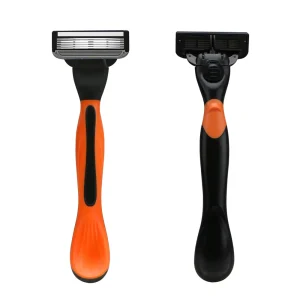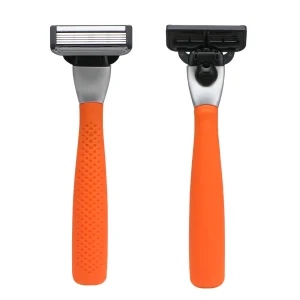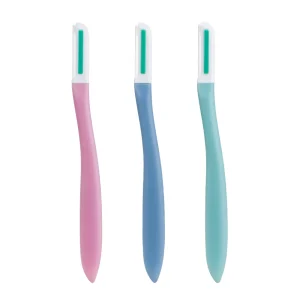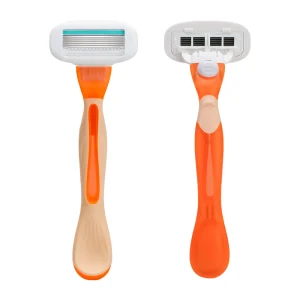





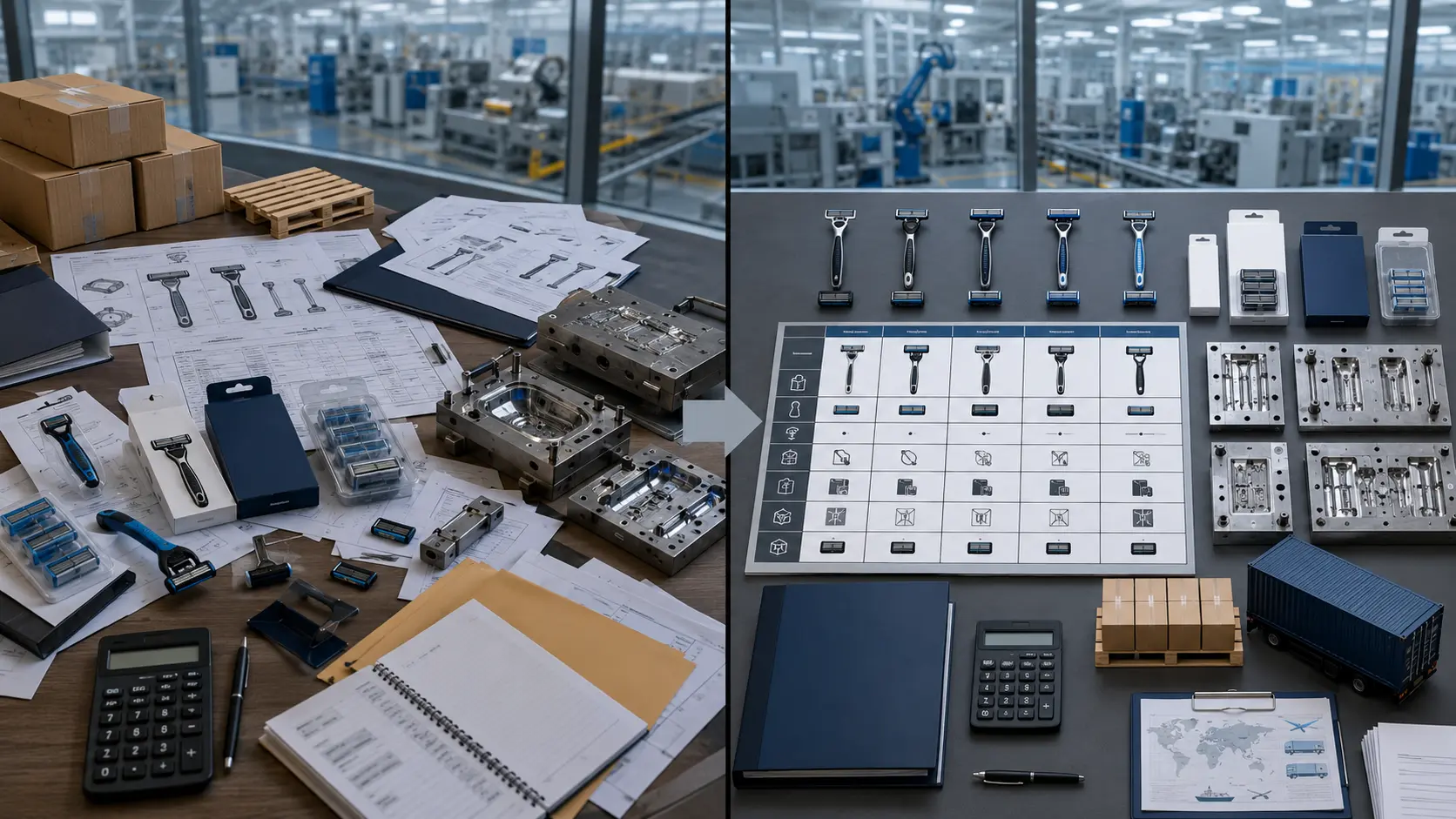
A vague Razor RFQ can produce five prices that appear competitive but describe five different products. One Supplier may quote a bulk three-blade disposable, another a retail-packed system Razor, and a third may exclude tooling, inspection, export cartons, or inland freight. The buyer then negotiates percentages against an unstable baseline. This creates scope gaps, delayed sampling, artwork rework, surprise non-recurring engineering charges, and margin erosion after the purchase order. Worse, an untested low quotation can become a quality escape or compliance problem in the destination market. The remedy is a controlled 18-input RFQ that forces every Manufacturer to price the same technical, packaging, quality, logistics, and commercial assumptions before any preferred bidder receives commercial leverage.
A qualified OEM Razor Supplier should quote against one controlled specification covering product architecture, Customizable features, packaging, volume, quality, compliance, tooling, delivery, and commercial terms. Haward Razor uses an 18-input RFQ structure to separate included costs, assumptions, exclusions, lead times, and change responsibilities so buyers can compare like with like.
Procurement teams, importers, private-label brands, and engineering wholesalers should read beyond the unit price. The following framework reveals where experienced Razor buyers find hidden quotation gaps, how they normalize competing offers, and which written controls prevent a promising OEM or ODM project from becoming an expensive commercial dispute.
The 18-Input Master RFQ: What Every Supplier Must Receive
Issue one numbered RFQ sheet to every candidate Manufacturer. Do not allow a Supplier to replace missing inputs with silent assumptions. If information is undecided, mark it “Supplier to propose” and require the proposal, cost effect, and lead-time effect to appear as separate quotation lines.
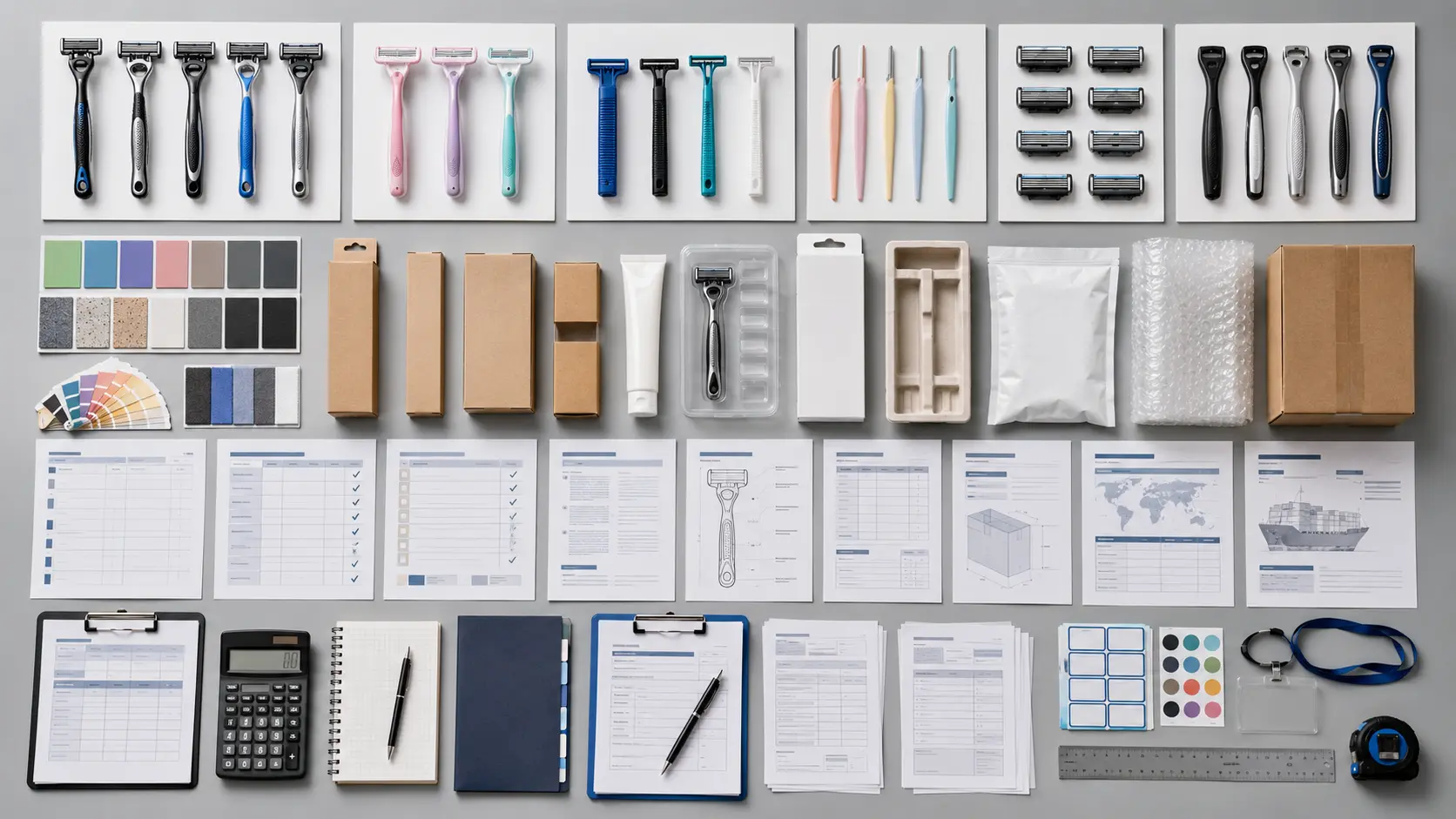
| No. | Required RFQ Input | What the Buyer Must State | Why It Changes the Quotation |
|---|---|---|---|
| 1 | Product category and application | Men’s or women’s system Razor, disposable Razor, mini travel Razor, eyebrow Razor, facial Razor, safety Razor, target user, and intended use. | Establishes the correct Manufacturer platform, safety profile, and development route. |
| 2 | Reference platform | Approved drawing, physical benchmark, Haward model reference, or required functional equivalent; identify dimensions that are mandatory. | Prevents visual similarity from being mistaken for technical equivalence. |
| 3 | Blade and cartridge architecture | Blade count, fixed or pivoting head, open-back rinsing, guard, cap, blade spacing, lubrication position, and replacement-cartridge requirement. | Changes blade, cartridge, welding, assembly, and inspection cost. |
| 4 | Handle and interface | Overall size, target weight, grip, resin or metal construction, docking geometry, release mechanism, and compatibility requirement. | Determines tooling, material usage, assembly steps, and tolerance control. |
| 5 | Materials and performance features | Blade steel requirement, coatings if specified, lubricating-strip ingredients, rubber areas, recycled-content target, and performance benchmarks. | Affects the bill of materials, Supplier qualification, claims evidence, and testing. |
| 6 | Customization scope | Pantone colors, logo method, finish, decoration zones, mold texture, exclusive geometry, and acceptable color or print tolerances. | Separates standard ODM adaptation from new OEM engineering. |
| 7 | Packaging and bundle | Units per pack, refill count, protective cap, pouch, blister, carton, insert, accessory, barcode, languages, and artwork owner. | Packaging can change labor, material, freight cube, testing, and MOQ. |
| 8 | Order quantity and demand profile | Trial quantity, first order, annual forecast, reorder frequency, SKU mix, and requested price-break quantities. | Allows capacity planning and transparent amortization instead of a single misleading MOQ price. |
| 9 | Destination markets and channels | Countries, retail, e-commerce, professional, hotel, distributor, or promotional channel; importer and responsible-party structure where applicable. | Drives labeling, documentation, packaging, and market-compliance work. |
| 10 | Compliance and certification evidence | Applicable regulations, test reports, declarations, material documentation, current management-system certificates, and claim substantiation. | Prevents irrelevant certificates from substituting for product-specific evidence. |
| 11 | Quality and acceptance plan | Critical, Major, and Minor defects, AQL, inspection level, functional tests, retained samples, and release authority. | Makes inspection effort and rejection risk comparable. |
| 12 | Sample and approval route | Stock sample, decorated sample, functional prototype, golden sample, pilot lot, quantities, fees, courier, and approval deadlines. | Clarifies what “sample approved” actually means and who pays. |
| 13 | Tooling and non-recurring charges | Mold, fixture, printing plate, color matching, testing, artwork, and setup charges; ownership, maintenance, life, and refund rules. | Exposes NRE that may be hidden outside the unit price. |
| 14 | Incoterm, named place, and currency | Exact Incoterms® 2020 rule, named port/place/point, quotation currency, and freight-validity basis. | Allocates costs, delivery obligations, and transfer of risk. |
| 15 | Payment and quotation validity | Deposit, balance trigger, credit terms, bank charges, price-validity period, tax treatment, and raw-material adjustment mechanism. | Changes working-capital cost and exposure to currency or material volatility. |
| 16 | Lead time and capacity window | Required launch date, sample deadline, production lead time, artwork freeze, order cut-off, split-shipment rule, and peak-season requirement. | Tests whether the promise fits real capacity rather than sales optimism. |
| 17 | Export packing and logistics data | Inner pack, master carton, units per carton, gross/net weight, carton dimensions, pallet pattern, container assumption, and shipping marks. | Enables landed-cost and warehouse calculations before award. |
| 18 | Traceability, change control, and quote breakdown | Lot coding, record retention, approved sub-Suppliers, engineering-change notice, exclusions, optional items, and separate cost lines. | Controls post-award substitution and exposes commercial assumptions. |
Lock the Razor Platform Before Negotiating Price
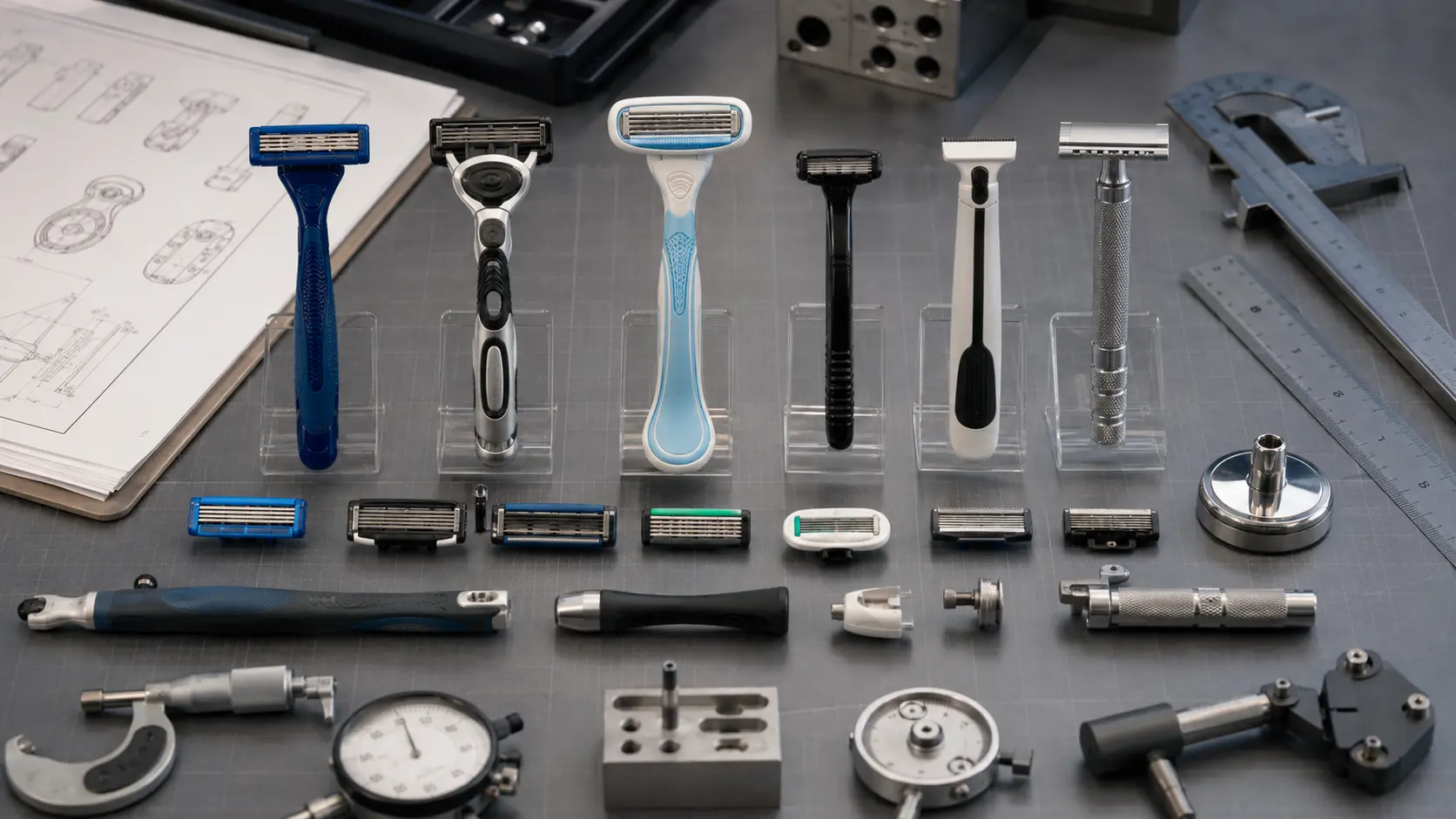
Inputs 1 through 5 define what is being purchased. “Three-blade Razor” is not a complete specification. A fixed disposable head, a pivoting system cartridge, and a compatible refill platform may all use three blades but require different molds, connectors, assembly operations, lubrication structures, and quality tests. The buyer should state the user, shaving area, desired service life, rinse behavior, grip conditions, cartridge motion, and any compatibility promise.
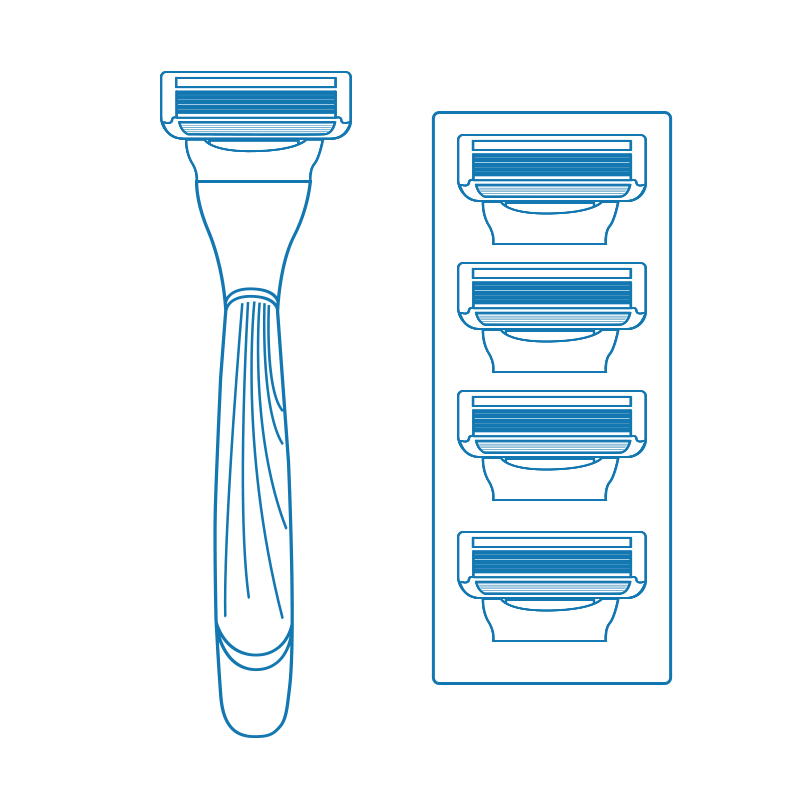
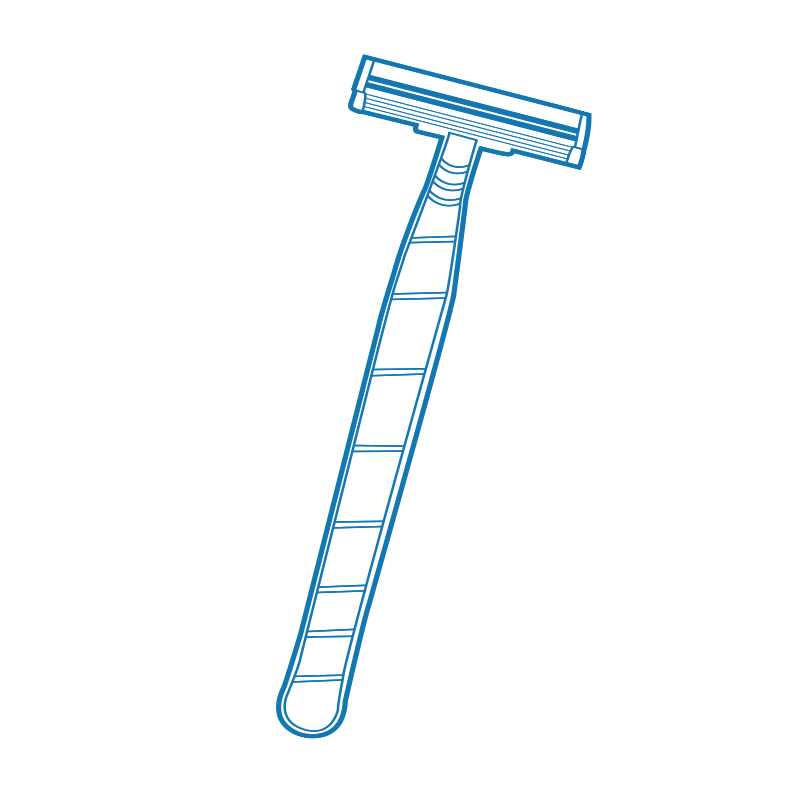
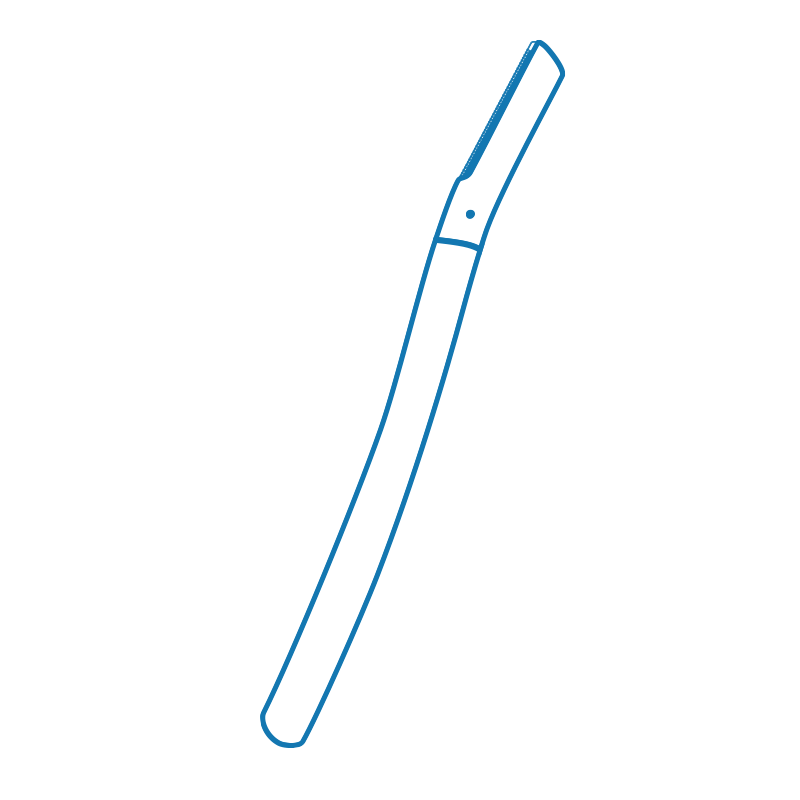
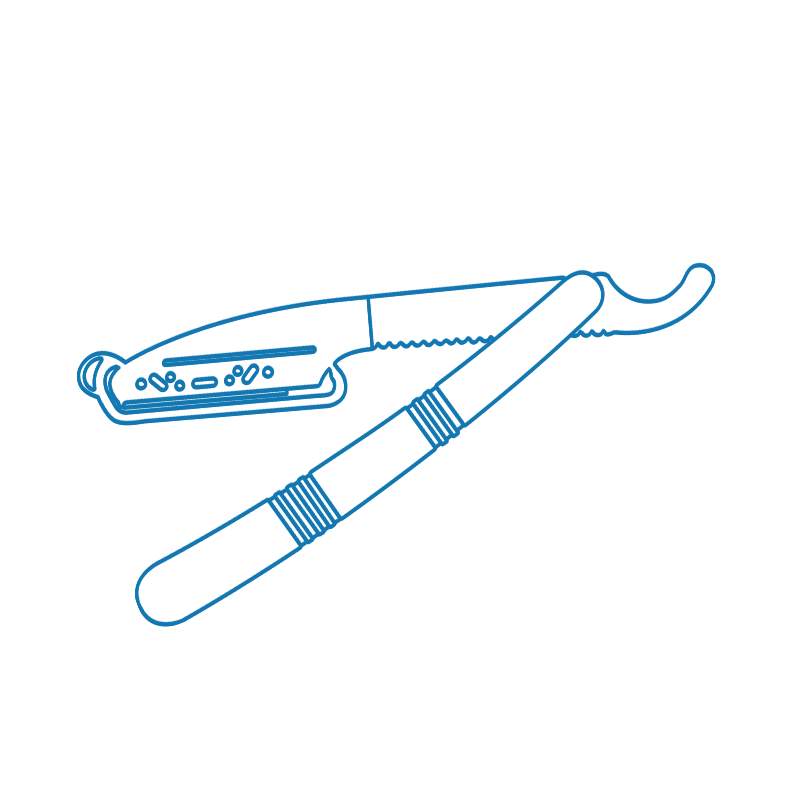
Start from an existing Manufacturer platform when speed, lower tooling exposure, and proven production are priorities. Haward Razor’s catalog provides men’s and women’s system platforms, disposable and mini formats, facial and eyebrow solutions, and safety Razor options with multiple handle, blade, pivot, lubrication, and packaging configurations. These platforms can shorten an ODM project, but the approved specification must still identify the exact model and every permitted variation.
- Attach controlled drawings rather than relying only on marketing photographs;
- Label benchmark dimensions as mandatory, target, or Supplier-proposed;
- Define whether “compatible” means mechanical fit, release function, shaving angle, or all three;
- Request a deviation list if the quoted product differs from the reference.
Separate Customizable Decoration from New OEM Engineering
Decoration on an Existing Platform
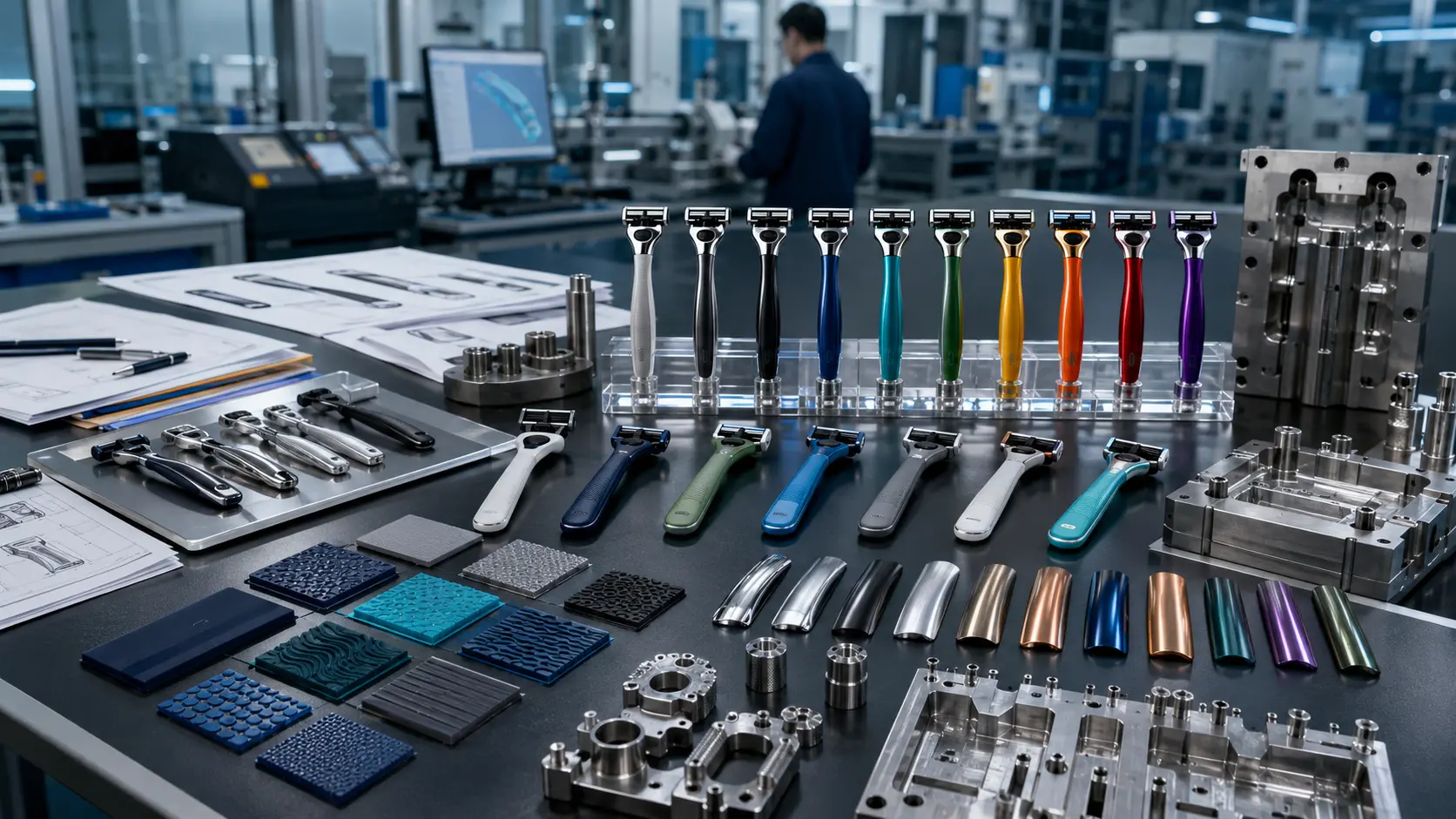
Input 6 prevents a common negotiation error: treating all customization as equal. Changing an existing handle color, printing a logo, or selecting a standard package is usually an ODM adaptation. A new docking geometry, exclusive cartridge, proprietary handle profile, or altered blade-support structure is OEM engineering and may require molds, fixtures, validation, and longer lead time.
Exclusive Tooling and Intellectual Property
The RFQ should specify Pantone references, resin appearance, gloss or texture, logo method, decoration location, readable artwork size, and approval tolerance. Ask the Supplier to quote standard and Customizable options separately. For new tooling, require a tooling register that lists asset number, cavity count, location, ownership, expected life, preventive maintenance, replacement responsibility, and conditions for transfer or retirement.
Rights Behind the Reference Sample
Commercial teams should also identify intellectual-property risk. A benchmark product can communicate performance expectations, but it does not automatically authorize copying protected geometry, trade dress, artwork, or a connector. Require each Manufacturer to disclose whether the proposal uses its own existing platform, buyer-owned design, licensed technology, or new jointly developed work.
Give Packaging Equal Status with the Razor
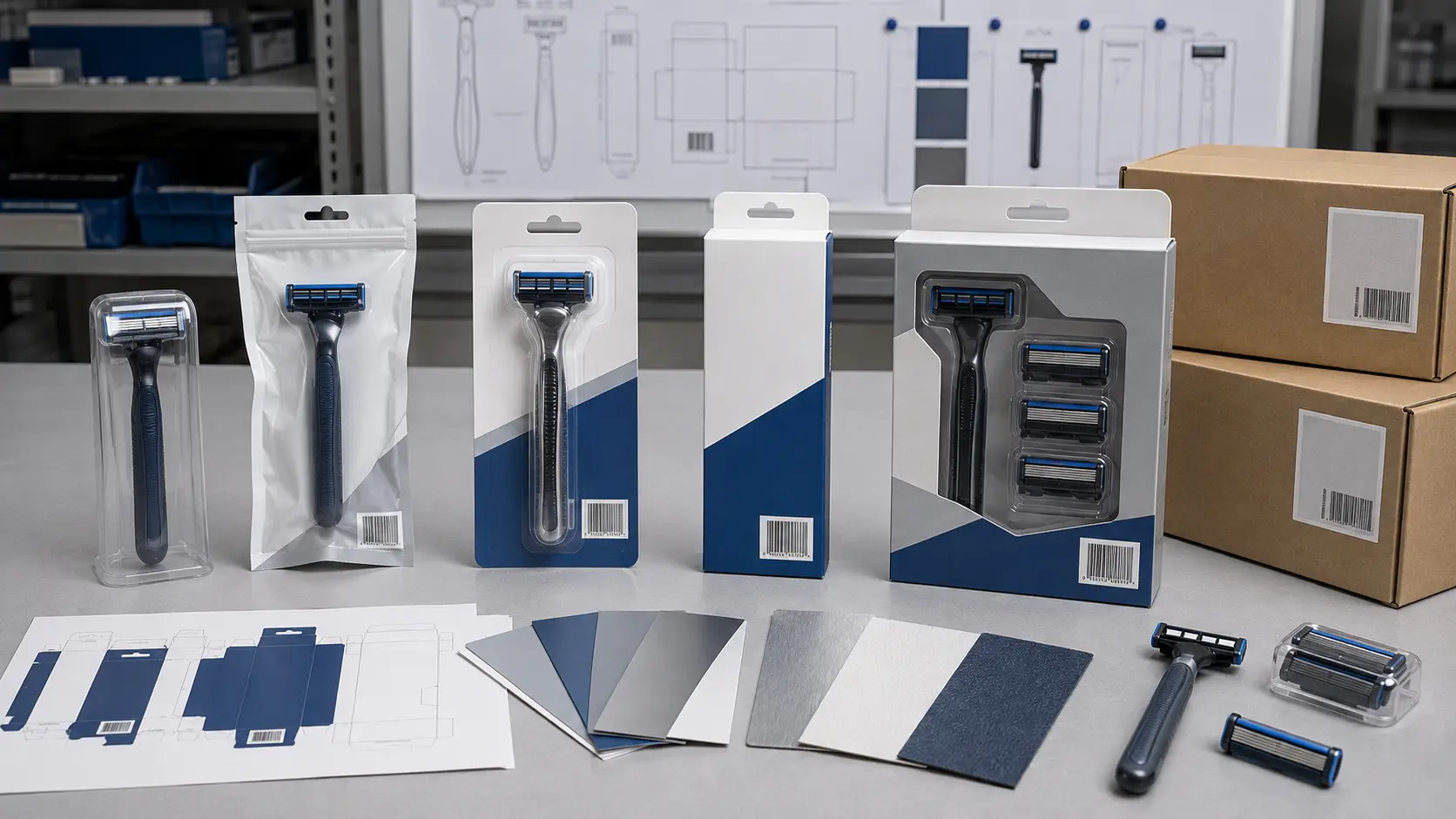
Input 7 is frequently delayed until after the product quotation, even though packaging can materially change the result. A bulk Razor with a protective cap, a single-unit pouch, a printed blister, and a starter kit with refill cartridges are four different SKUs. They create different material costs, packing labor, equipment needs, line speeds, carton dimensions, sampling plans, and order quantities.
Provide a packaging bill of materials and a pack-out diagram. State the substrate, thickness or basis weight where controlled, color process, finish, sealing method, tamper feature, barcode standard, language versions, insert, disposal marks, and units at every level. Ask the Supplier to return dielines, net and gross weights, master-carton dimensions, and pallet data with the quotation.
For EU-bound projects, the RFQ should allocate responsibility for packaging data and review against Regulation (EU) 2025/40 on packaging and packaging waste, whose general application begins on 12 August 2026. A certification logo, recycled-content statement, or environmental claim should be used only when the evidence, chain of custody, certificate scope, and destination-market wording support it.
Use Quantity Bands, Forecasts, and SKU Mix to Expose the Cost Curve
Input 8 should contain more than one order quantity. Ask every Razor Manufacturer to quote identical price breaks, for example 10,000, 30,000, 50,000, 100,000, and 250,000 units, while stating the MOQ for each color, artwork, pack format, and refill configuration. Also provide a realistic twelve-month forecast and expected release pattern.
This structure separates variable unit cost from setup cost, changeover cost, packaging MOQ, and capital amortization. It also reveals whether a low price assumes a volume the buyer cannot responsibly commit. A 100,000-unit annual forecast divided across ten slow-moving SKUs may be less efficient than two 50,000-unit SKUs because every variant consumes artwork control, color approval, line clearance, inventory, and packaging stock.
Ask for two figures: the minimum order quantity a Supplier will accept and the economic order quantity at which its quoted production model becomes efficient. Do not issue a blanket forecast commitment. State that forecasts support capacity planning unless converted into a purchase order or a separately agreed binding schedule.
Translate Quality Expectations into a Quoted Inspection Plan

Defect Classification and Sampling
Inputs 10 and 11 turn “good quality” into measurable release criteria. Identify applicable product-safety obligations, blade and assembly tests, packaging checks, defect definitions, sampling scheme, inspection level, and release documents. ISO 2859-1:2026 provides AQL-indexed single, double, and multiple acceptance-sampling plans, but it does not define which Razor defects are Critical, Major, or Minor. The buyer and Supplier must agree those classifications.
- Critical: unintended exposed sharp point, loose blade, serious contamination, or another condition presenting a safety hazard;
- Major: unusable pivot, loose cartridge, missing cap, failed seal, missing component, or materially wrong artwork;
- Minor: limited cosmetic variation that does not affect use, safety, saleability, or required claims.
Market Compliance Evidence
For EU consumer sales, allocate responsibilities under the General Product Safety Regulation (EU) 2023/988, including risk analysis, technical documentation, identification, traceability, and corrective-action readiness. Request current certificates such as ISO 9001, GRS, or relevant audit reports only when their scope serves the project. A factory certificate is supporting evidence, not automatic product approval.
Define Samples, Tooling, and the Golden-Sample Gate
Inputs 12 and 13 keep development charges from appearing after a provisional price has been accepted. The RFQ should distinguish a stock sample, color sample, printed sample, functional prototype, pre-production sample, and pilot production lot. For each stage, state quantity, fee, courier responsibility, expected completion, test evidence, and approving party.
The golden sample should freeze the exact Razor head, blades, handle, materials, colors, decoration, lubricating strip, cap, retail pack, accessories, and artwork revision. Approval should not waive written specifications or testing requirements. If the sample is handmade or produced from temporary tooling, label the differences and require production-representative validation before mass release.
Tooling quotations should separate mold cost, printing plates, welding or assembly fixtures, gauges, validation, trial materials, and modification allowances. Define payment milestones, title to the asset, storage, maintenance, useful-life assumptions, duplicate tooling, and end-of-project disposition. This prevents tooling lock-in and allows the buyer to compare a low unit price with high NRE against a standard ODM platform with little or no new tooling.
Make Incoterms, Payment, and Lead Time Numerically Comparable

Inputs 14 through 16 establish the commercial baseline. “FOB price” is incomplete without the named port and the chosen Incoterms® 2020 rule. ICC rules allocate defined costs, obligations, and risk, but they do not determine product specification, payment, title transfer, or remedies. Write the full expression, such as “FCA named facility, Incoterms® 2020” or “FOB named port, Incoterms® 2020,” and ensure the mode of transport fits the term.
Require currency, deposit, balance trigger, bank charges, quotation validity, and any resin, steel, freight, or exchange-rate adjustment formula. A price valid for seven days cannot be compared directly with a price fixed for ninety days without valuing the exposure. Lead time should be split into artwork approval, material procurement, tooling, sample, pilot, production, inspection, and dispatch—not presented as one optimistic number.
Ask the Manufacturer to identify capacity reserved, monthly output for the quoted platform, peak-season constraints, and the recovery plan for late material or failed inspection. Treat unsupported urgency promises as schedule risk, not as free value.
Normalize Packaging and Logistics Before Awarding the Business
Input 17 allows procurement to move from ex-factory price to landed cost per saleable unit. Request units per inner pack and master carton, carton dimensions, gross and net weight, pallet size, cartons per layer, total height, stack limit, and estimated container utilization. Confirm whether pallets, fumigation treatment, moisture protection, labels, inspection access, and export documents are included.
Large retail packs can make a lower-priced Razor more expensive after freight and warehousing. Similarly, a master carton optimized for factory handling may waste pallet area or exceed a distributor’s lifting limit. Ask every Supplier to use the same shipment scenario and named destination when providing logistics estimates.
Use this evaluation formula:
Evaluated cost per saleable unit = normalized product and packaging cost + amortized NRE + inspection and compliance cost + inland and international logistics + duty and non-recoverable taxes + expected cost of defects, delay, and obsolescence.
Not every element belongs in the Manufacturer’s invoice. The formula simply prevents procurement from awarding on one visible number while ignoring costs that move elsewhere in the supply chain.
Build a Quote-Comparison Matrix That Rejects Silent Assumptions
Input 18 requires each candidate to return the same breakdown. A compliant quotation should show base Razor, customization, packaging, accessories, tooling, tests, inspection, export packing, freight if requested, sample fees, payment, validity, MOQ, price breaks, lead time, exclusions, and deviations. Procurement should mark missing cells “not quoted,” not assume they are included.
| Comparison Field | Quotation A | Quotation B | Required Normalized Baseline |
|---|---|---|---|
| Razor platform | 3-blade fixed disposable | 3-blade pivoting system | One approved platform and drawing |
| Quantity basis | 50,000 units | 100,000 units | Same price-break quantities |
| Packaging | Bulk with cap | Printed single pouch | Same BOM, artwork, and pack-out |
| Trade basis | EXW factory | FOB named port | Same Incoterm and named place |
| Tooling | Excluded | Included but undefined | Separate tooling register and NRE lines |
| Quality | Final visual check | AQL stated without defect list | Same tests, defects, AQL, and release records |
| Validity and payment | 15 days; 50% deposit | 60 days; 30% deposit | Cash-flow and price-risk adjustment |
| Lead time | 30 days after deposit | 45 days after artwork approval | Same start event and milestone breakdown |
This example contains no usable “cheapest quotation” because the underlying scopes differ. Return noncompliant offers for correction before negotiation. Once every line is normalized, negotiate the cost drivers: platform choice, SKU consolidation, pack design, order frequency, tooling amortization, payment, and forecast visibility. Arbitrary percentage pressure may remove inspection, material, or capacity protection without identifying which requirement changed.
Verify Manufacturer Capability Before Converting the RFQ into a PO

A complete RFQ improves comparison but does not prove execution. Before award, verify the legal Supplier identity, manufacturing site, process ownership, major sub-Suppliers, relevant certificates, audit scope, capacity, quality records, and traceability. For a high-risk or strategic OEM launch, use a staged Supplier qualification process: document review, technical meeting, sample evaluation, site or remote audit, pilot lot, corrective-action closure, and controlled production approval.
Audit the processes that matter to the quoted Razor: incoming blade and resin control, molding, welding or cartridge assembly, lubrication application, printing, packaging, gauge control, nonconforming-material segregation, final release, and complaint response. Review certificate issuer, validity, facility address, and scope rather than accepting a logo on a presentation.
The purchase order and quality agreement should reference the approved RFQ revision, specification, artwork, golden sample, packaging standard, defect list, and quotation. Require written engineering change control before any change to blade, coating, strip formula, resin, mold cavity, assembly site, packaging material, or approved sub-Supplier.
Run the RFQ as a Controlled Commercial Process

- Define: complete the 18 inputs with procurement, engineering, quality, marketing, logistics, and compliance owners.
- Issue: send one revision-controlled package and one deadline to the same qualified Supplier group.
- Clarify: distribute material clarifications to all bidders without exposing confidential competitor data.
- Screen: reject or return offers with missing costs, exclusions, deviations, or unverified assumptions.
- Normalize: compare identical configuration, volume, pack-out, Incoterm, quality plan, payment, and time horizon.
- Negotiate: trade forecast visibility, platform standardization, SKU consolidation, payment, and commitment for documented value.
- Validate: approve samples, tooling, pilot production, audits, and corrective actions before mass release.
- Contract: transfer the final RFQ requirements into the PO, specifications, quality agreement, and change-control process.
Maintain a decision log showing which requirement changed, who approved it, and how price or lead time moved. This protects both buyer and Supplier from memory-based negotiation. It also gives the selected Manufacturer a stable baseline for capacity, materials, production, and continuous improvement.
Turn Comparable Quotations into a Lower-Risk Razor Launch
Do not select an OEM or ODM Supplier from an unnormalized unit price. Send Haward Razor your completed 18-input RFQ, target market, forecast, sample, and packaging brief to receive a transparent, Customizable quotation with assumptions, options, tooling, quality controls, and delivery milestones clearly separated.