
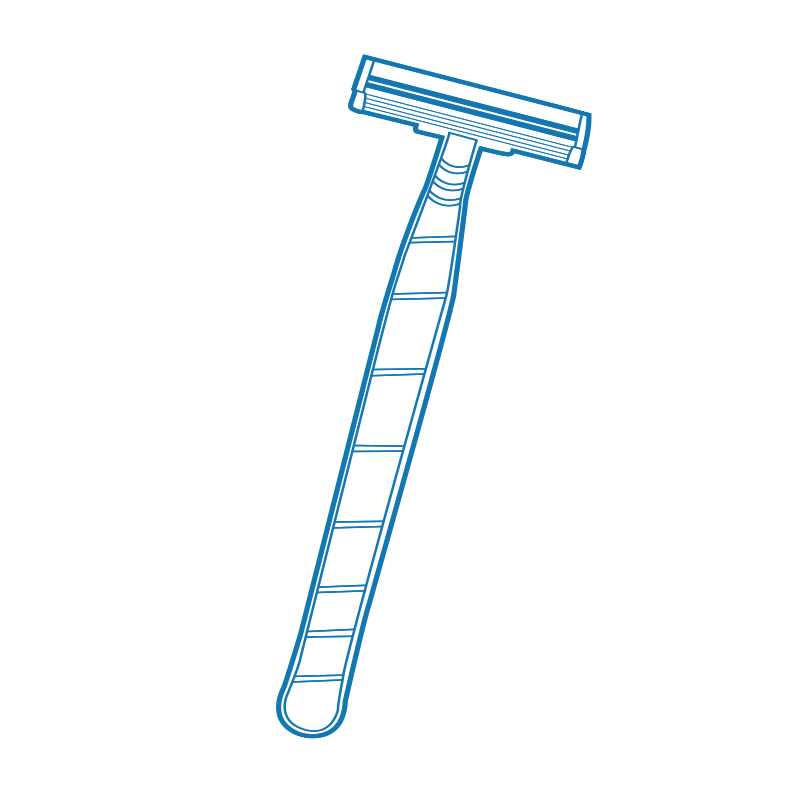
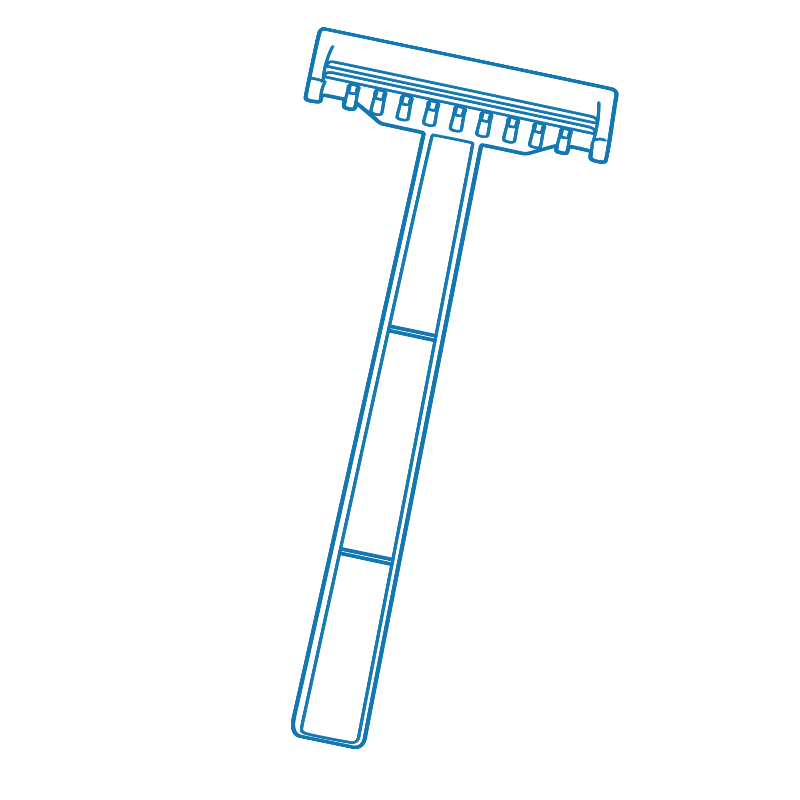
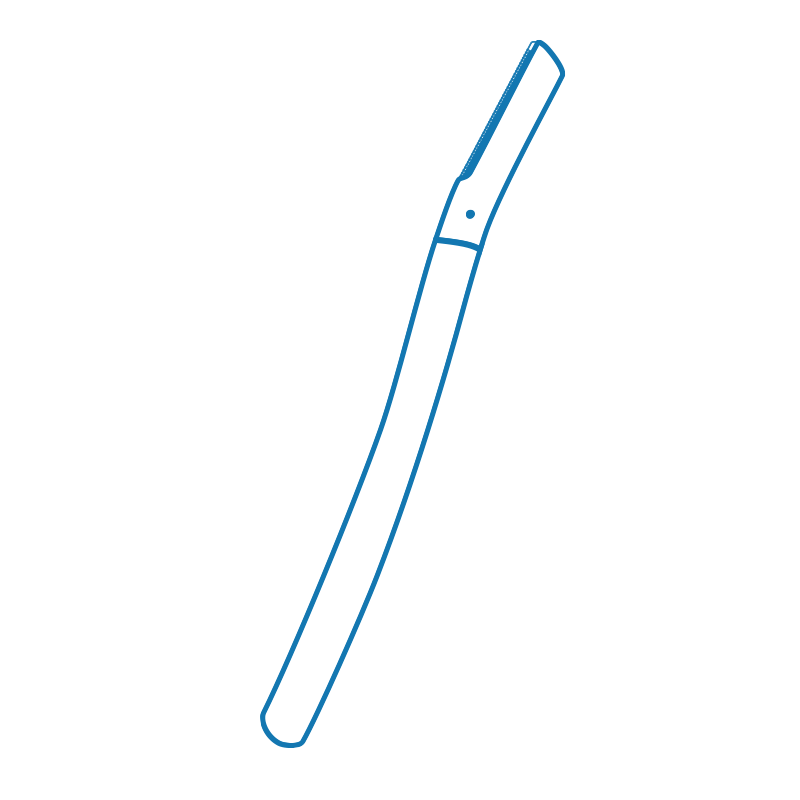
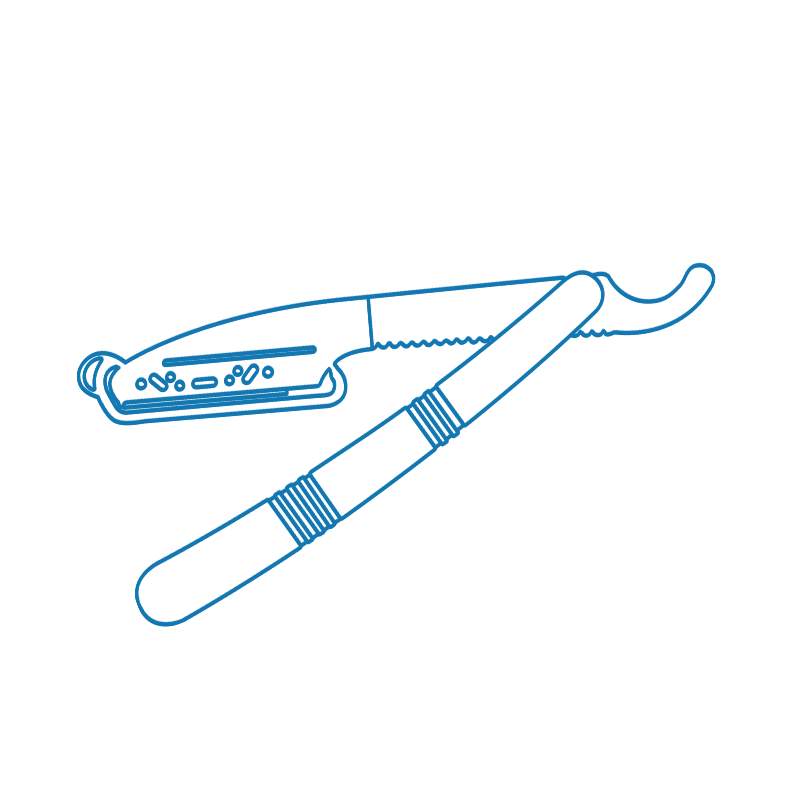
How Can Brands Plan Tooling Investment for a Custom Razor Launch?
A custom Razor program starts with a practical question: which product features deserve new tooling, and how should that investment fit the launch budget? A brand may want a distinctive handle, a softer grip, or a new cartridge connection while keeping funds available for packaging, inventory, and marketing. The right answer depends on the selected platform, expected order volume, and development schedule. Razor tooling amortization gives buyers and manufacturers a way to connect tooling investment with production quantities. Combined with clearly defined ownership and acceptance milestones, it supports a manageable funding plan. This guide explains how to compare customization routes, organize mold costs, and discuss payment structures for a Razor program that can develop from initial samples into repeat orders.
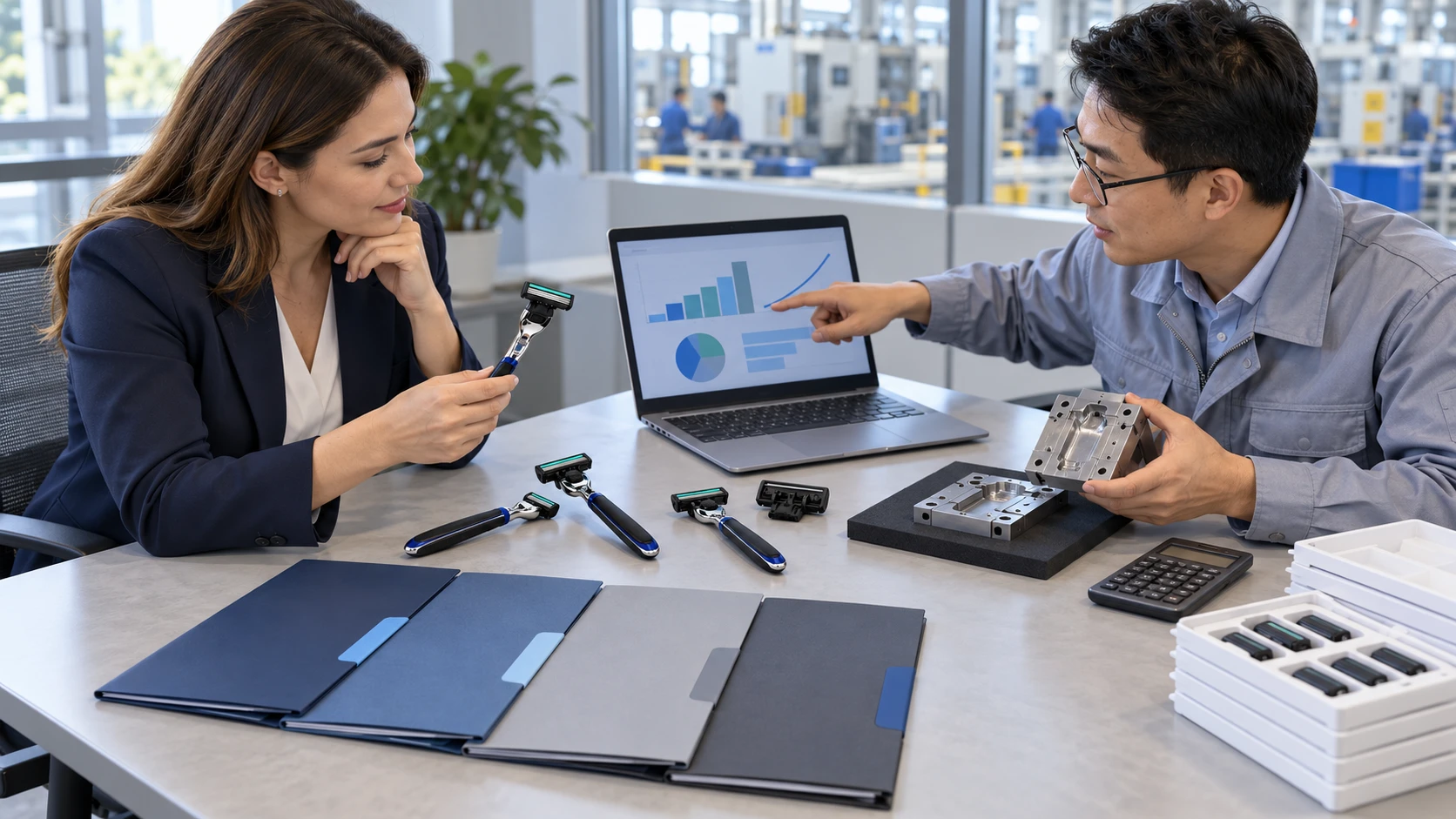
A qualified Supplier connects tooling scope, production volume, ownership, and payment milestones in one clear proposal. For Haward Customizable OEM and ODM Razor projects, assess the product changes first, then compare upfront payment, per-unit amortization, volume rebates, and milestone refunds against the launch budget and expected reorder plan.
Brand founders, procurement managers, finance buyers, and engineering wholesalers can use the following framework to prepare a productive tooling discussion. We will connect common Razor customization choices with cost allocation, sample approval, and repeat-order planning, using transparent examples that make the commercial options easier to compare before development work begins.
Choose the Customization Route That Supports the Brand Plan

Compare an Existing Platform, a Tool Modification, and a New Mold
The first step in razor tooling amortization is deciding how much new tooling the product actually needs. For a first launch, an established ODM platform may provide a useful starting point. A brand with proven demand may instead prioritize a distinctive handle or dedicated component geometry.
- Existing platform: explore available colors, logo decoration, and packaging while retaining approved product geometry.
- Selected modification: assess a replaceable logo insert, surface detail, or localized geometry change, subject to the original tool design.
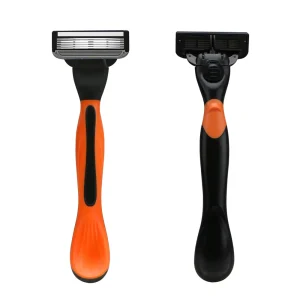
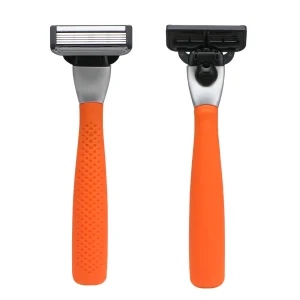
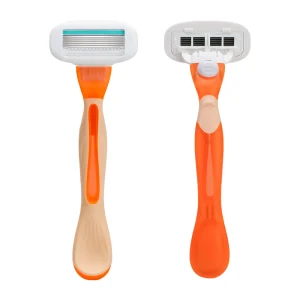
- Dedicated tooling: develop a new handle, grip section, connector, or cartridge component to an agreed drawing.
A color or decoration change may still require material checks, fixtures, and sample approval. Confirm the work involved for the selected model. Where a custom handle uses an existing cartridge, verify the connection and release function before freezing the design.
For a Haward inquiry, describe which features create value for the target customer. This helps the Manufacturer compare an existing platform with a dedicated OEM proposal on a meaningful basis.
Build a Tooling Budget Around the Actual Razor Components
Identify the Deliverables Included in Each Development Charge
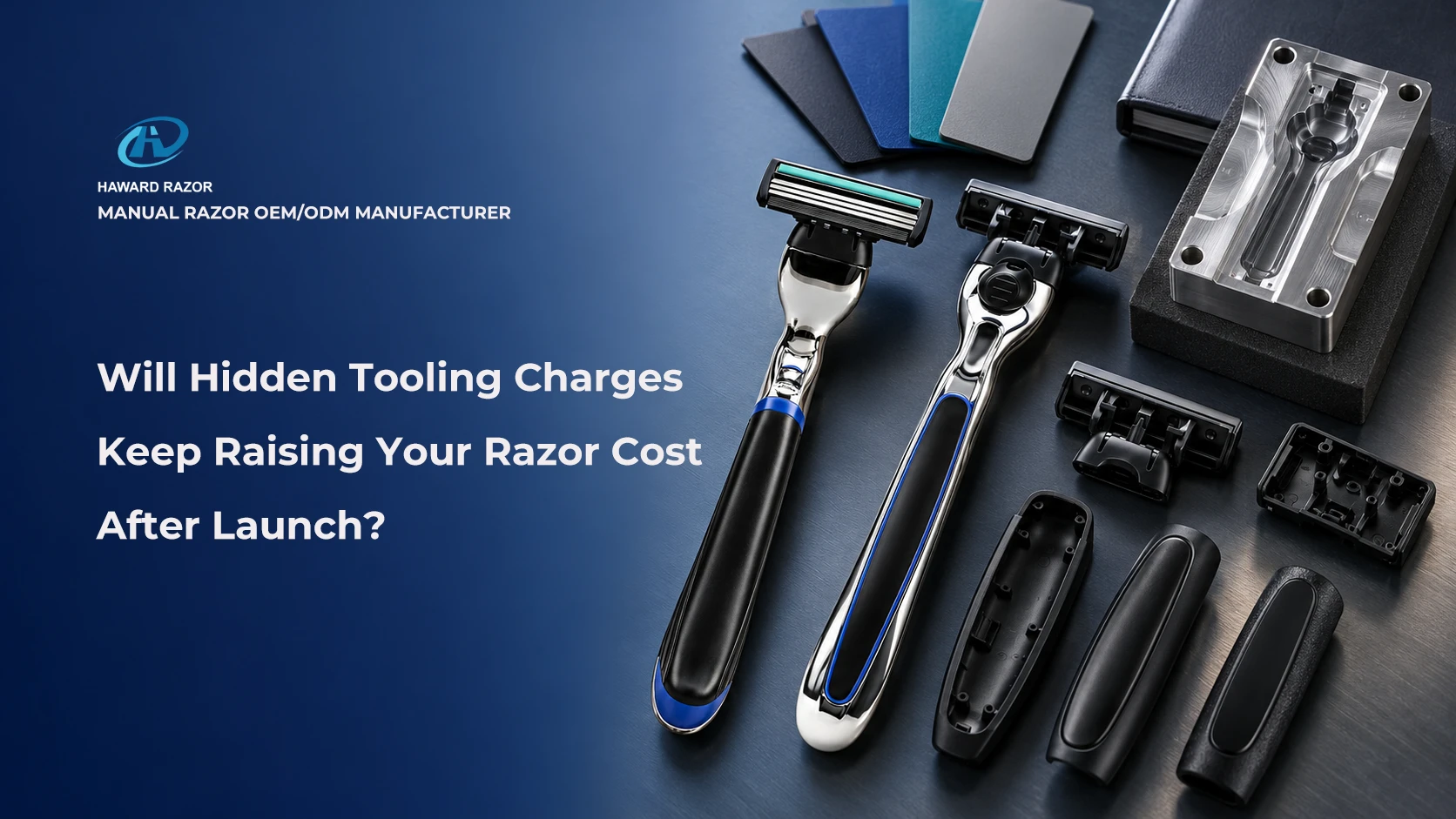
OEM NRE negotiation becomes easier when both parties can see what the development budget includes. Non-recurring engineering, or NRE, may cover design work, prototypes, molds, fixtures, and validation. Identify the deliverable attached to each line in the quotation.
Depending on the design, a Customizable Razor program may include:
- A rigid handle mold and a separate tool or mold stage for the soft grip;
- Cartridge housing, connector, release-button, or protective-cap tooling;
- Assembly fixtures, checking gauges, and decoration fixtures;
- Engineering drawings, sample rounds, and production trials;
- Retail-pack tooling, quoted separately where applicable.
Record cavity count, tool material, surface finish, and the trials included in the proposal. Published injection molding guidance explains how cavity choices affect the balance between tooling investment and part price.
In this article, razor tooling amortization refers to commercial recovery of an agreed tooling investment. Financial accounting, depreciation, and tax treatment remain separate questions for the relevant finance teams.
Match the Tooling Plan to Launch and Reorder Volumes
Evaluate the First Order and the Product’s Expected Development
A first purchase order rarely describes the complete business case for a reusable Razor. The initial shipment may contain handles and starter cartridges, while later orders focus on refill heads. Those purchasing patterns affect which tools are used and how their costs can be allocated.
Prepare three demand scenarios before discussing custom razor mold cost recovery:
- Launch scenario: the confirmed first order and the minimum inventory needed for introduction;
- Expected scenario: the reorder pattern supported by channel plans and realistic sales assumptions;
- Expansion scenario: additional markets, colors, or related products that may use the same tooling.
Ask the Supplier to consider cavity count, output requirements, mold life, and anticipated changeovers alongside these volumes. More cavities can support greater output, but the investment should fit expected demand and the available production process.
Label forecasts as planning assumptions unless they form part of an agreed purchase commitment. This gives the Manufacturer useful information while allowing both parties to discuss how the program should respond if demand develops differently.
Compare Four Ways to Fund the Tooling Investment
Choose a Structure That Fits Cash Availability and Order Confidence
The table uses USD 24,000 of dedicated tooling and 600,000 qualifying units. Figures are illustrative negotiation examples; availability for a Haward project depends on commercial review and written agreement. The underlying product price is assumed identical, with financing fees, taxes, and other development costs excluded.
| Structure | Payment Arrangement | Net Buyer Tooling Contribution | Planning Benefit |
|---|---|---|---|
| Upfront payment | USD 24,000 before mass production | USD 24,000 | Separates tooling funding from recurring product pricing |
| Per-unit amortization | USD 0.04 per qualifying unit, capped at USD 24,000 | USD 24,000 | Spreads payments across production purchases |
| Volume rebate | USD 24,000 paid; USD 0.01 returned per qualifying unit, capped at USD 6,000 | USD 18,000 | Returns an agreed amount as eligible orders accumulate |
| Milestone refund | USD 24,000 paid; USD 3,000 refunded at each of 300,000 and 600,000 cumulative units | USD 18,000 | Links refunds to defined purchasing milestones |
The rebate and refund examples include a negotiated USD 6,000 Supplier contribution. Compare any associated product-price premium, purchase commitment, or other condition when assessing the complete package.
Calculate Per-Unit Recovery and the Price After Completion
Give Both Teams a Simple View of Progress
For per-unit recovery, agree the tooling balance after any initial payment or Manufacturer contribution. Divide it by the agreed recovery quantity. A separate invoice line makes the contribution visible alongside the recurring Razor price.
Tooling contribution per unit = agreed recoverable balance ÷ agreed recovery quantity.
With no initial payment, USD 24,000 ÷ 600,000 = USD 0.04 per unit. This example counts accepted, paid units and assumes no returns:
| Cumulative Qualifying Units | Tooling Contribution Paid | Remaining Recovery Balance | Contribution on the Next Unit |
|---|---|---|---|
| 150,000 | USD 6,000 | USD 18,000 | USD 0.04 |
| 300,000 | USD 12,000 | USD 12,000 | USD 0.04 |
| 600,000 | USD 24,000 | USD 0 | USD 0 |
| 750,000 | USD 24,000 | USD 0 | USD 0 |
Agree an automatic removal of the tooling contribution when recovery is complete. An order crossing the threshold should apply the charge only to eligible units within the remaining balance.
Keep the base product price and any agreed financing fee identifiable. Handle and cartridge tools can have separate recovery schedules, which is especially useful when starter sets and replacement heads follow different reorder patterns.
Use Rebates and Refunds to Support Repeat-Order Planning
Connect the Commercial Benefit to Clear Qualifying Volumes
A tooling rebate agreement can link an agreed return of tooling funds to repeat purchases. A milestone refund can serve the same commercial objective through defined thresholds. The timing differs, so the buyer should compare both against its cash plan.
At 450,000 qualifying units, the examples above produce a USD 4,500 volume rebate or a USD 3,000 milestone refund. The second milestone refund becomes earned at 600,000 units.
- Eligible products: identify the SKUs and tools covered by the arrangement.
- Counting basis: define ordered, shipped, accepted, or paid quantities.
- Settlement method: specify cash, credit note, or an agreed invoice deduction.
- Timing: state the measurement period and settlement deadline.
- Reconciliation: agree the treatment of returns and free replacements.
For a cartridge tool, clarify how individual heads are counted within multipacks. Where multiple colors use the same mold, list the eligible variants. These details make the agreement easier for purchasing, sales, and finance teams to administer together.
Connect Development Payments with Sample and Pilot Approval
Use Milestones That Show What Has Been Completed
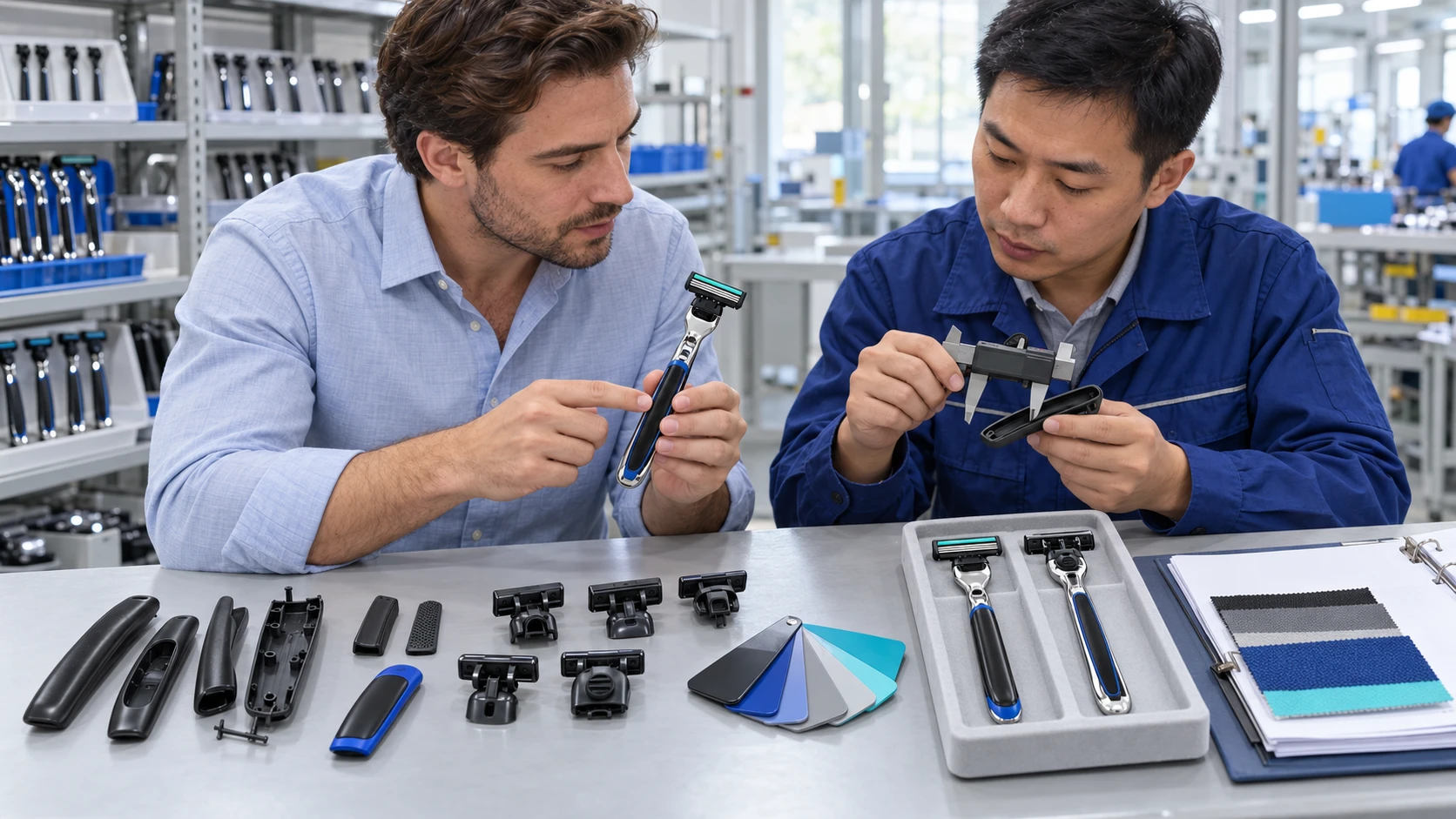
Upfront tooling funding can be divided into development payments before mass production. This approach helps the Manufacturer organize work while giving the buyer visibility into progress. These payments are distinct from refunds earned through later production purchases.
For discussion, a 40% / 40% / 20% schedule on a USD 24,000 tool would release USD 9,600, USD 9,600, and USD 4,800 against agreed stages:
- Design-freeze review: confirm component drawings, interfaces, materials, and tooling scope.
- Trial-sample review: assess samples from the tool, dimensional results, appearance, and adjustment needs.
- Pilot-production approval: confirm repeatable assembly and agreed product performance using production materials.
For a handle, checks may cover cartridge attachment, release operation, grip fit, and decoration. For cartridge components, assess the dimensions and assembly characteristics relevant to the approved design. Acceptance values belong in the product specification.
The Supplier and buyer should record included adjustments, responsibilities, and approval dates. This makes each payment correspond to a clear development deliverable.
Document Ownership and Maintenance for the Product Lifecycle
Keep Asset Rights Clear Alongside the Payment Schedule
Cost recovery describes how the tooling investment is repaid. Ownership describes who holds the asset and the associated rights. Record both, including the event that transfers title where applicable. Public molding service comparisons likewise identify ownership, maintenance, and pricing as separate commercial features.
A useful tooling register includes:
- Tool ID, component drawing, owner, and storage location;
- Ownership of dedicated inserts and any shared mold base;
- Permitted use, design-file access, and relevant intellectual-property rights;
- Routine maintenance, storage, repair, and replacement responsibilities;
- Transfer arrangements, outstanding balances, and required technical support.
Define mold life in an agreed unit. A shot count measures molding cycles, while finished-component quantities also depend on active cavities and yield. If relocation becomes necessary, check compatibility with the receiving factory and plan validation.
For a Customizable OEM or ODM Razor, this record provides continuity as staff, packaging, forecasts, or product variants change. Adapt the ownership and transfer provisions to the governing law.
Plan for Follow-On Variants and Changes in Demand
Review the Tooling Schedule as the Razor Range Develops
A Razor range may expand from one handle color into several retail versions, or shift toward replacement-head sales after the launch. Review how those changes affect razor tooling amortization while keeping each tool linked to the products that use it.
For example, a refill-only order can contribute to an eligible cartridge tool’s recovery schedule. It would not contribute to a handle tool unless a broader project allocation was expressly agreed. A new package size may leave the injection molds unchanged but require separate packaging work.
- Higher demand: confirm the recovery completion point and future capacity needs.
- Lower demand: discuss an agreed extension, settlement, or revised production plan.
- Design changes: quote new work and confirm its effect on existing tooling.
- Program completion: reconcile earned credits, remaining obligations, and tool storage.
Address volume shortfall and cancellation exposure before development starts. A remaining recovery balance becomes payable only under the applicable agreed terms. These provisions help both parties plan their commitments as the product develops.
Prepare a Product Brief for a Useful Tooling Discussion
Give the Manufacturer the Inputs Needed to Compare Options
The most useful OEM NRE negotiation starts with a product brief that connects the design to the business plan. For a Haward project, identify what is essential at launch and which features could be introduced after market feedback.
Include the following in your RFQ package:
- Target Razor format, reference samples, and required Customizable features;
- Handle and cartridge interfaces, materials, colors, and logo requirements;
- Initial order, expected reorders, and planned product variants;
- Retail packaging, destination markets, and target launch date;
- Available development budget and preferred payment approach;
- Ownership requirements, acceptance criteria, and forecast assumptions.
Ask the Manufacturer to compare an appropriate existing platform, a feasible modification, and dedicated tooling where relevant. Evaluate total spending at launch and across the expected production volume, including disclosed financing and development charges.
A structured proposal helps the brand select a practical design, the Supplier plan the work, and finance understand the payment schedule before the tooling order is placed.
Build the Tooling Plan Around Your Next Razor Program
Send Haward your product concept, customization requirements, launch quantity, and reorder forecast. Discuss platform selection, tooling scope, and suitable commercial terms to develop a Customizable OEM or ODM Razor program with clear milestones and an investment plan matched to your business.