


A new Razor SKU can look ready after sample approval, yet its first commercial shipment still has several jobs to prove. The factory must reproduce the approved product, the packaging must survive distribution, and the brand must learn whether customers buy again. If a large reorder is placed before those answers arrive, small packaging corrections or an unbalanced sales forecast can create unnecessary stock and delay the next launch. A pilot is most useful when both sides agree what it should demonstrate and which decisions follow. Clear commercial gates connect production results, defect closure, customer feedback, and purchasing commitments. This gives the buyer and Manufacturer a practical route from a razor pilot order to repeatable, profitable supply as demand develops.
A qualified Supplier must provide a defined pilot scope, traceable production records, verified corrective actions, approved packaging, and a confirmed release plan. For Haward OEM and ODM Razor projects, connect the razor pilot order to written quality and commercial gates before authorizing a larger repeat razor order.
New brand founders, importers, procurement teams, and engineering wholesalers can use the following guide to understand the decisions experienced buyers make between trial production and scale-up. We explain which evidence to request, how to interpret early sales, and how to agree the next commitment with your chosen long-term manufacturing partner.
Give the Pilot a Clear Commercial Purpose
Define the Questions Before Agreeing the Quantity
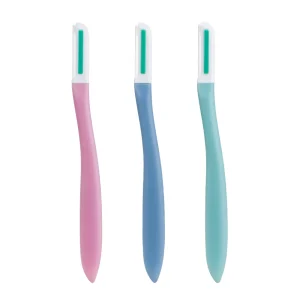
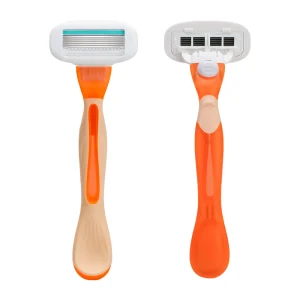
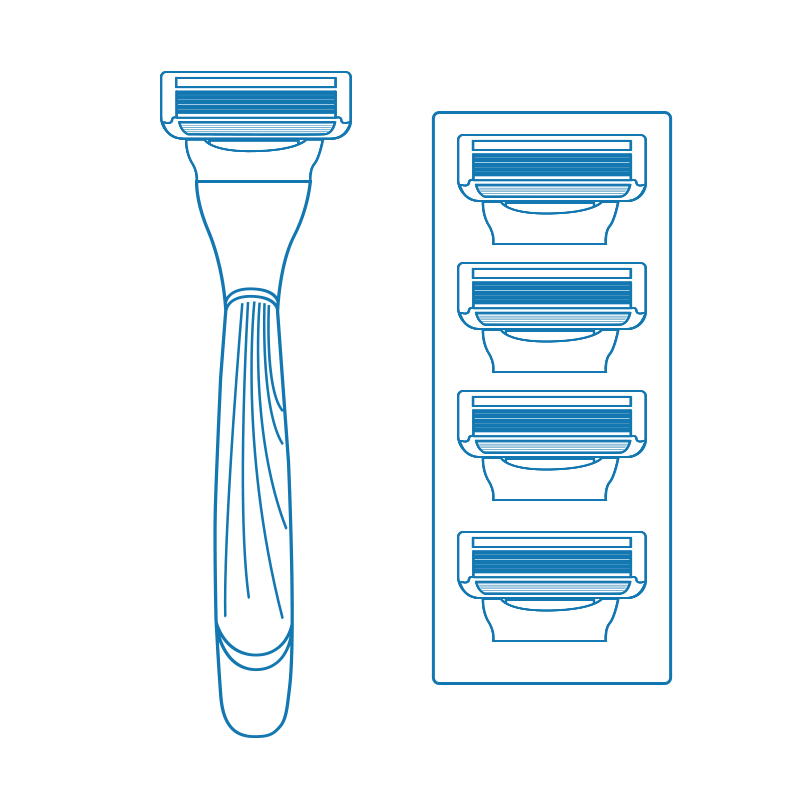
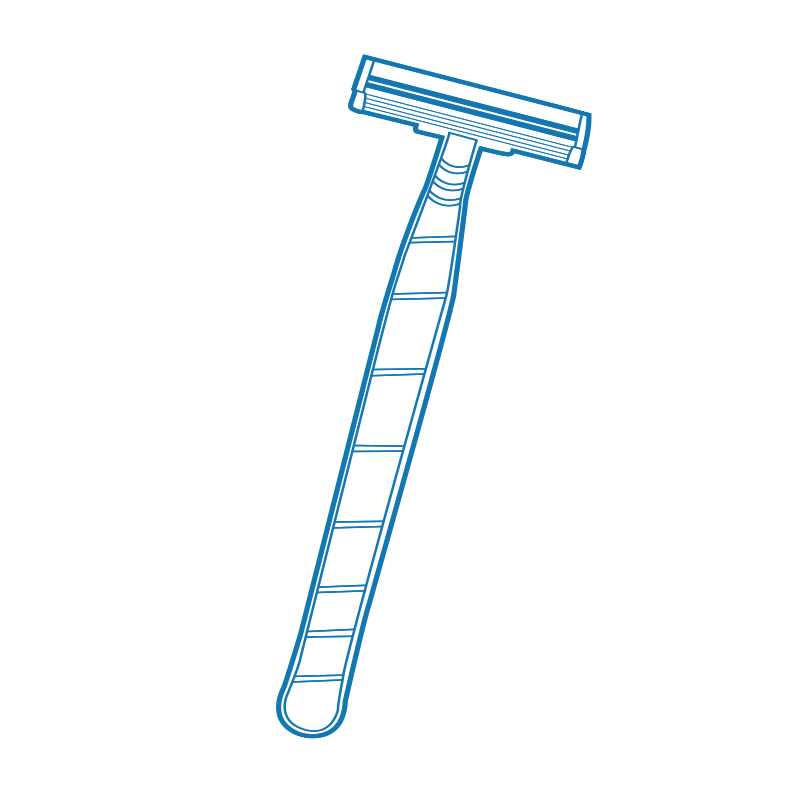
A razor pilot order should answer specific questions about the new SKU. For a disposable Razor, these may concern cap fit, handle color, and retail-pack protection. For a system Razor, they may also include cartridge attachment, refill identification, and the relationship between starter-pack and replacement-head demand.
Separate manufacturing validation from the market trial. Engineering samples and units consumed by testing are not saleable inventory. Only goods that have passed the agreed release process should enter the customer trial.
- Product objective: reproduce the approved drawing, materials, and reference sample.
- Process objective: demonstrate the intended molding, assembly, and packing route.
- Channel objective: assess presentation, opening experience, sales, and feedback.
- Commercial objective: confirm the evidence needed for the next purchase commitment.
The Supplier and buyer should allocate quantities for testing, retained samples, shipment evaluation, and market stock. A Customizable OEM or ODM program needs enough coverage to answer these questions; the lowest possible trial quantity is not automatically the most useful.
Make Pilot Production Representative of the Repeat Order
Record How the Approved Product Was Actually Made
Useful razor pilot production uses the intended materials, tooling, assembly method, and packaging process wherever practical. If the pilot requires temporary tooling or extra manual handling, document the difference and decide what must be demonstrated before the production route changes.
The Manufacturer should connect each pilot lot to the information needed for reproduction:
- Bill of materials: blade, resin, lubricating strip, cap, and packaging revisions.
- Process traceability: mold cavities, assembly stations, dates, and material lots.
- Output records: quantities started, accepted, rejected, and reworked.
- Inspection coverage: relevant samples across the run and process variations.
- Capacity evidence: actual run time, staffing, interruptions, and changeovers.
Keep original rejects visible in the records even after successful rework. This helps both parties understand the cost and capacity of a repeat Razor order. If ISO 9001 certification forms part of qualification, verify its status and scope with the issuing body, following ISO’s certification guidance. Keep that qualification record separate from the product-specific pilot release review.

Close Defects with Evidence That the Correction Works
Turn Pilot Findings into Production Improvements
A pilot finding is useful when it leads to a verified improvement. Suppose a protective cap loosens because an assembly fixture does not seat it consistently. Sorting the current lot addresses immediate stock; adjusting the fixture and confirming the result addresses the next production run.
The ASQ 8D framework separates containment, root-cause analysis, and verification of corrective action. A razor project can apply that logic through a short, practical issue record:
- Describe the defect, affected quantity, lot, and agreed requirement.
- Identify and control affected stock.
- Confirm the cause and implement the correction.
- Retest representative output and approve the closure evidence.
Use drawings and the agreed inspection plan to define acceptance. Do not replace product-specific limits with an arbitrary universal defect percentage. Unresolved safety or functional failures should block volume release. Any permitted minor cosmetic concession needs written scope, quantity, and expiry. This gives the Supplier a clear decision and supports a more stable private label scale-up.
Finish Packaging Corrections Before Printing the Next Batch
Validate the Pack as It Will Reach the Sales Channel
A Razor can perform well while its packaging still needs refinement. Pilot cartons may reveal movement inside the pack, an awkward opening tab, unclear refill compatibility, or artwork that becomes difficult to read after wrapping. Resolve these details before committing to large quantities of printed material.
GS1’s barcode guidance identifies contrast, quiet zones, symbol dimensions, placement, and packaging interference as relevant checks. Review the printed, filled, and finished pack. A scan of artwork on a screen does not replace barcode verification on the actual packaging.
- Confirm product name, contents, count, and applicable destination information.
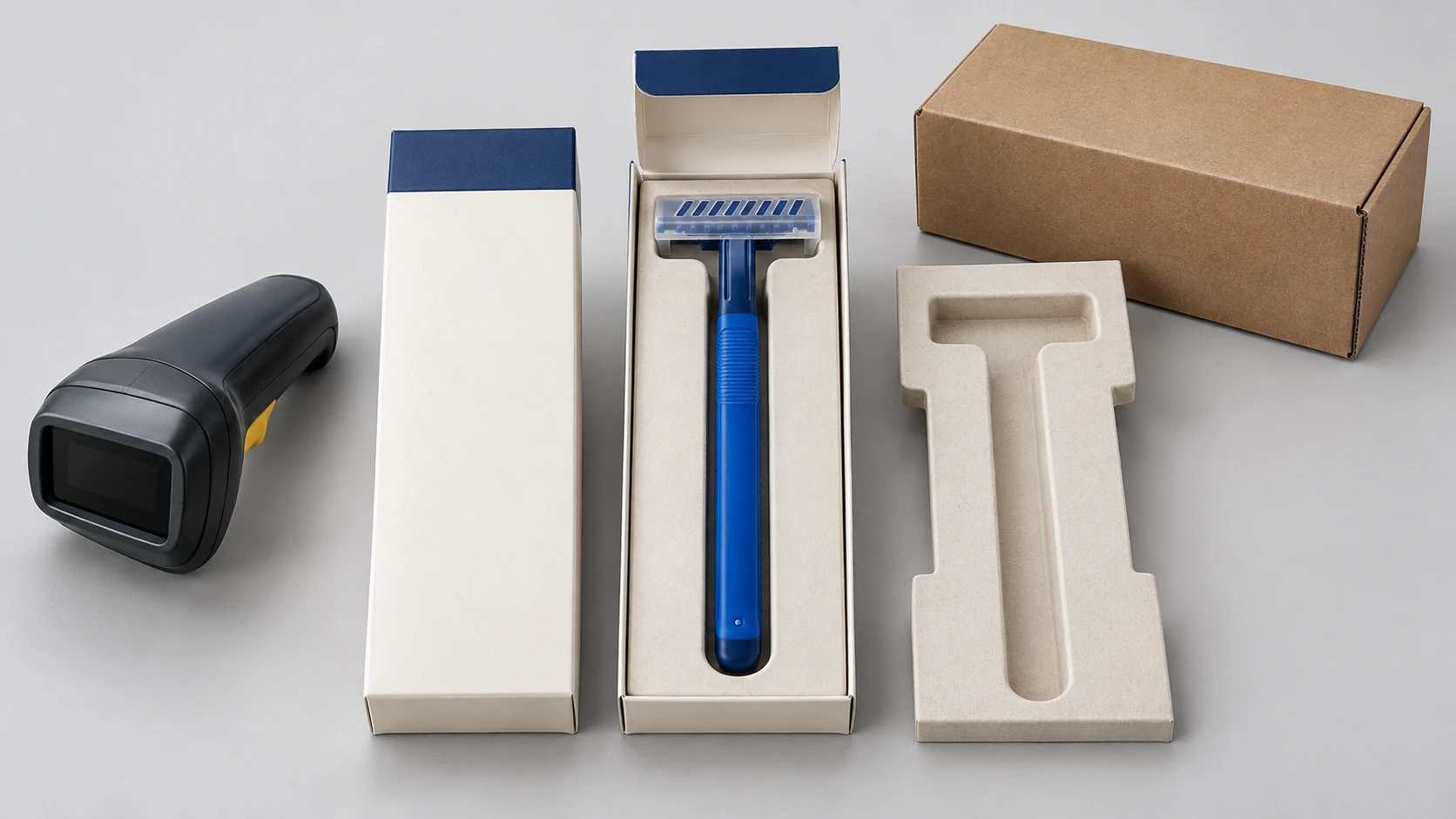
- Check protection of the blade head, cap, and lubricating strip.
- Verify retail barcode data, carton labels, and packing quantities.
- Approve the revised artwork and retain a finished reference pack.
For Customizable OEM packaging, assign one approved revision to the purchase order. Record what happens to unused earlier packaging. This turns the packaging approval gate into a clear handover between the brand, printer, assembler, and Manufacturer.
Measure Sell-Through at the Point of Real Demand
Separate Distributor Shipments from Customer Sales
Shipment to a distributor measures sell-in. For a market trial, request sell-through from the retail or online channel. Otherwise, a full distributor warehouse may look like strong consumer demand.
The example below assumes six weeks, no replenishment, returns, transfers, or write-offs. Therefore, sell-through equals units sold divided by opening stock. These are illustrative figures, not Haward results or recommended performance thresholds.
| Channel | Opening Units | Units Sold | Units Remaining | Sell-Through |
|---|---|---|---|---|
| Brand online store | 600 | 420 | 180 | 70% |
| Selected retail stores | 400 | 160 | 240 | 40% |
| Total | 1,000 | 580 | 420 | 58% |
The blended result hides different channel needs. Investigate launch dates, price, promotions, stock availability, and placement before changing the reorder mix. For brands using Shopify, its inventory reporting guidance defines how sell-through and inventory are calculated. Reconcile your chosen report with the pilot period before sharing conclusions with the Supplier.
Read Customer Feedback Alongside the Sales Numbers
Distinguish Product Findings from Presentation Questions
Early sales show interest; feedback explains what needs refinement. Keep comments linked to the SKU, lot, channel, and purchase period. A request for a different handle color is an assortment opportunity. Repeated reports of loose cartridges require investigation of product conformity and affected stock.
- Product feedback: grip, cap opening, cartridge attachment, and observed performance.
- Packaging feedback: opening difficulty, missing information, or transit damage.
- Service feedback: wrong item, incomplete order, or delivery issue.
- Assortment feedback: preferred color, pack count, and refill availability.
Report complaint counts alongside units sold and the observation period. A short period with no returns is limited evidence, especially when customers have barely started using the product. A system Razor pilot may need longer observation to understand refill demand than to assess initial starter-pack sales.
For a Haward ODM discussion, share the pattern and supporting samples so the team can evaluate suitable adjustments. Confirm the affected specification and necessary checks before adopting changes in the next repeat razor order.
Convert Pilot Learning into a Dated Replenishment Forecast
Confirm Quantity, Mix, and Arrival Timing Together
The next order should reflect expected demand, usable inventory, and the time needed to replenish it. A successful promotion should be identified separately from baseline sales. For system Razor programs, forecast starter packs and refills independently rather than assuming a fixed replacement ratio.
Build the forecast confirmation around five inputs:
- Weekly demand by SKU, channel, and pack format.
- Usable stock after existing allocations and quality holds.
- Confirmed incoming stock and its expected availability date.
- Material, production, inspection, transport, and receiving lead times.
- An agreed inventory buffer and demand-review date.
Check receipts and consumption by week; total stock alone does not show when replenishment is required. Ask the Manufacturer to confirm capacity for the actual molding, assembly, and packing mix. Clearly separate a planning forecast from a firm purchase commitment.
A project might use four weeks of firm releases followed by eight weeks of indicative demand, but the appropriate windows depend on actual lead times. Those example windows are negotiation inputs, not standard Haward terms.
Recheck the Commercial Basis Before Increasing Volume
Connect the Repeat Quotation to the Approved Configuration
A pilot price may include short-run setup, small packaging batches, extra inspection, or development support. A larger order can spread some costs across more units, but the saving depends on the final product mix and production route. Compare quotations using the same specification, packaging, and delivery basis.
- Separate one-time development charges from recurring unit costs.
- Identify quantity bands and the assumptions behind each price.
- Confirm color changes, pack formats, carton quantities, and inspection scope.
- Update the landed-cost estimate using the revised pack dimensions and shipping plan.
- Agree payment milestones and any authorized material commitments.
For a Customizable OEM or ODM Razor, a larger total order may still contain several small production batches. Discuss the mix with the Supplier before treating the headline quantity as one continuous run.
The commercial goal is a sustainable repeat program: acceptable unit economics, manageable working-capital exposure, and a delivery schedule both sides can support. Confirm these assumptions before authorizing additional finished stock.
Use Written Gates to Authorize Each Next Step
Define What Each Approval Actually Releases
The strongest private label scale-up plan gives each review a clear output. Passing a product check does not automatically establish the right reorder quantity. Likewise, good sales do not close an unresolved quality issue.
| Gate | Required Evidence | Decision Owners | Authorized Next Step |
|---|---|---|---|
| 1. Pilot authorization | Approved specification, pilot objectives, allocation, and quotation | Buyer and Manufacturer | Agreed pilot production only |
| 2. Market release | Inspection acceptance, defect disposition, and finished-pack approval | Quality and product teams | Release accepted pilot stock |
| 3. Repeat-order approval | Sales feedback, verified corrections, confirmed forecast, and updated quotation | Buyer, planner, and Supplier | Specified quantity and delivery schedule |
| 4. Repeat shipment | Approved revision, lot acceptance, and shipment documents | Quality and logistics teams | Release the named shipment |
Record the date, approved quantity, revision, and outstanding actions. Where material purchasing must start earlier, define that commitment separately. A reservation or forecast should not silently become permission to manufacture unlimited finished goods.
Use the First Repeat Order to Establish a Stable Routine
Carry Pilot Learning into Everyday Production
The first repeat razor order should show that the pilot’s improvements carry into normal operations. Compare its output with the approved pilot baseline, using the same definitions for accepted units, rework, packaging damage, and delivery performance.
- Confirm that closed actions appear in work instructions and inspection checks.
- Verify that approved materials, tooling, and artwork revisions are in use.
- Track production progress against the agreed shipment milestones.
- Review customer feedback after the repeat lot reaches the channel.
- Update the forecast with actual sales and remaining inventory.
If a new cavity, line, material, or packing method is introduced, assess the change and agree targeted validation. Verification should address the change, rather than mechanically repeating every development activity.
As results become consistent, the buyer and Manufacturer can agree a proportionate review schedule. This is the practical value of razor pilot production: a shared set of product and commercial facts that makes future Customizable OEM and ODM orders easier to plan, quote, and deliver.
Build Your Next Order on Clear Pilot Evidence
Choose a Manufacturer that connects pilot findings with a practical repeat-order plan. Send Haward your Razor concept, target market, packaging brief, and expected launch volume. Discuss a razor pilot order with defined objectives, approval gates, and Customizable OEM or ODM options for your next stage of growth.