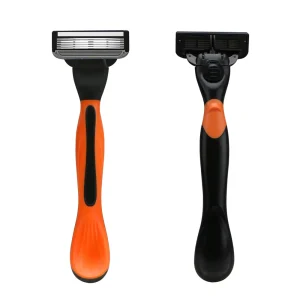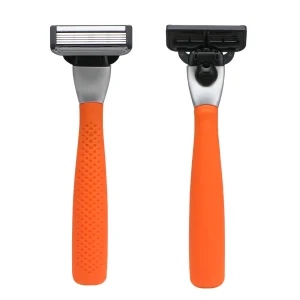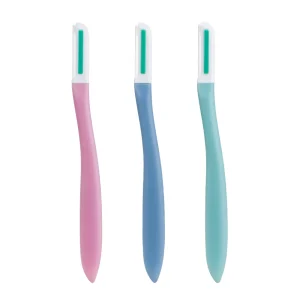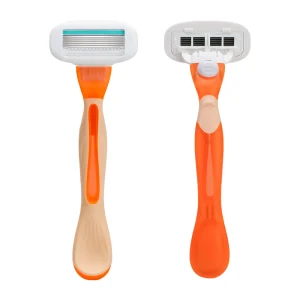


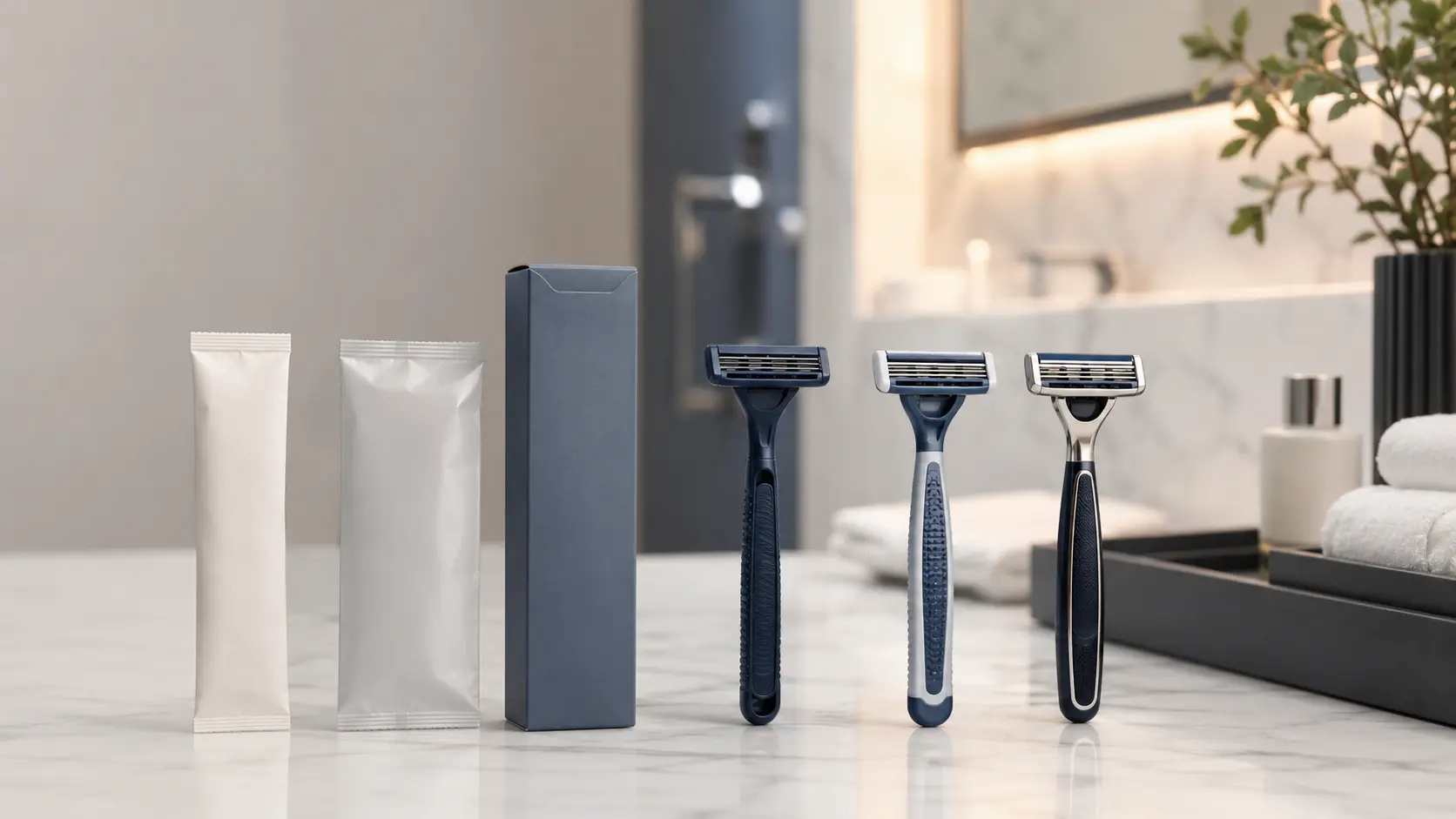
A hotel amenity razor is often purchased as a minor line item, yet it operates at the intersection of sharp-edge safety, guest comfort, housekeeping labor, and packaging waste. In-room placement can consume stock even when the guest never shaves; a low-cost razor can also create cuts, drag, or negative reviews if blade geometry and wet-grip control are poor. In a high-humidity bathroom environment, weak paper packs soften, caps detach, and cream sachets leak. If procurement focuses only on unit price, the hotel may pay more through over-issuance, replacements, complaints, and brand damage. The solution is to engineer the razor, pack, distribution method, and inspection plan as one hospitality system.
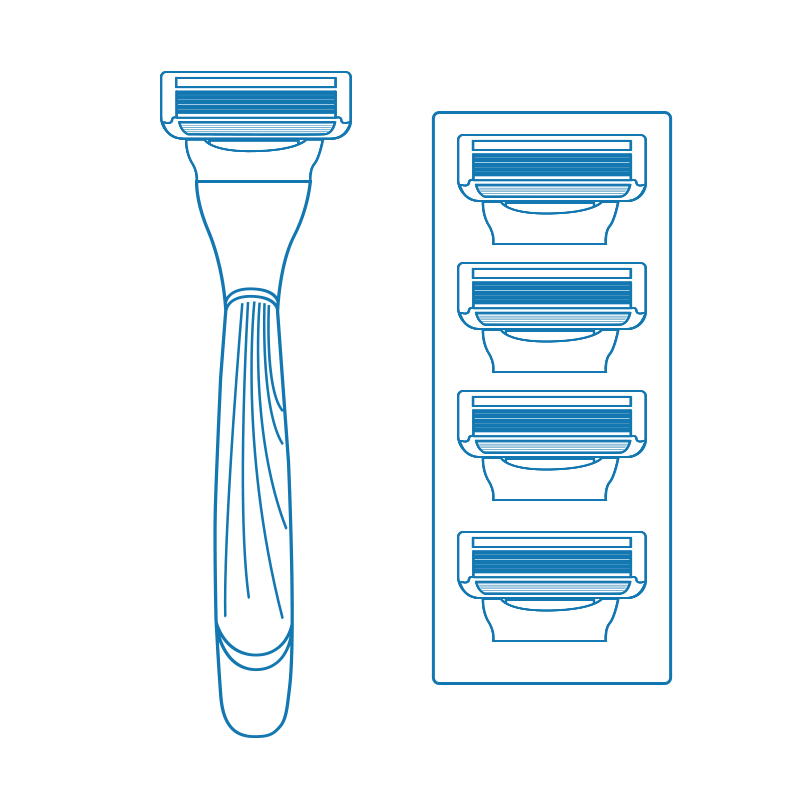
For hotel use, specify a 2- or 3-blade protected cartridge, a 115-140 mm wet-grip handle, an easy-open individually protected pack, controlled blade alignment, and demand-based distribution. Haward Razor provides the most professional Customizable OEM and ODM engineering for matching razor performance, packaging cost, housekeeping workflow, and guest expectations.
Retailers, importers, wholesalers, hotel groups, and amenity distributors should continue reading. The following application cases and engineering solutions show how blade configuration, ergonomics, packaging, supply topology, quality control, and service level can be matched to economy, midscale, resort, business, and luxury hospitality environments.
1. Choose the Distribution Model Before Choosing the Razor
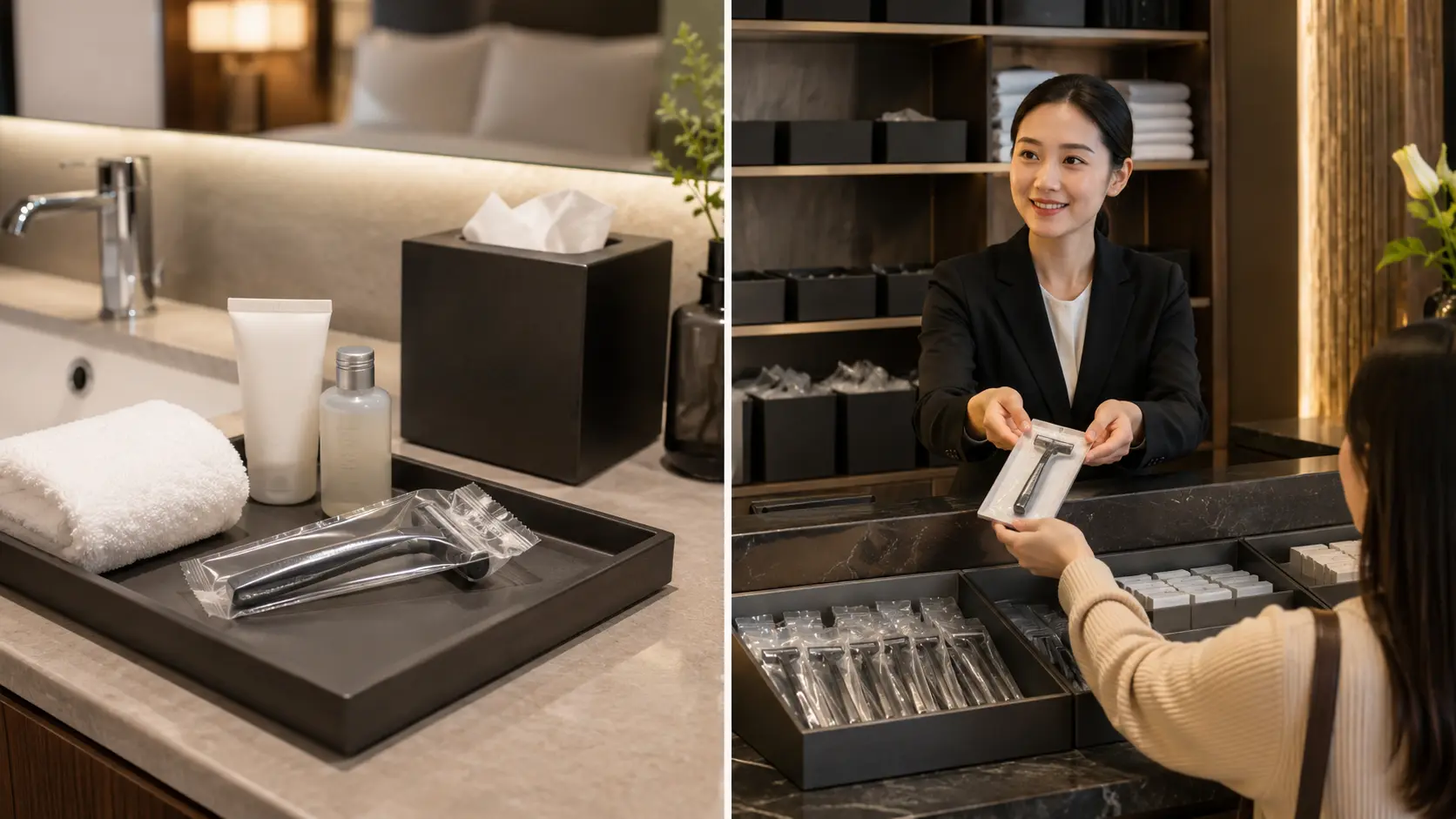
The first design decision is not blade count. It is whether the razor will be placed in every room, reserved for selected rooms, or issued only after a guest request. Each model creates a different amenity supply topology.
In-Room Placement
The central warehouse → property store → floor pantry → guest room topology offers immediate access but exposes the hotel to high placement volume, opened-but-unused products, moisture, theft, and additional housekeeping checks. It usually favors a compact two-blade razor, minimal printing, and a light protective package.
On-Request Distribution
The reception or housekeeping request → controlled inventory → guest delivery topology reduces unnecessary consumption and supports more comfortable products without increasing total program cost proportionally. For hotels following Green Key 2026-2031 criteria, razors and shaving kits are included among single-use amenities that should be restricted in guest rooms and made available on request.
- Use in-room placement when immediate availability is a mandatory brand standard;
- Use on-request distribution when waste reduction and inventory control have priority;
- Track requests by occupied room night, guest segment, property, and season;
- Recalculate product specifications after three to six months of real usage data.
2. Match Blade Architecture to the Hotel Service Level
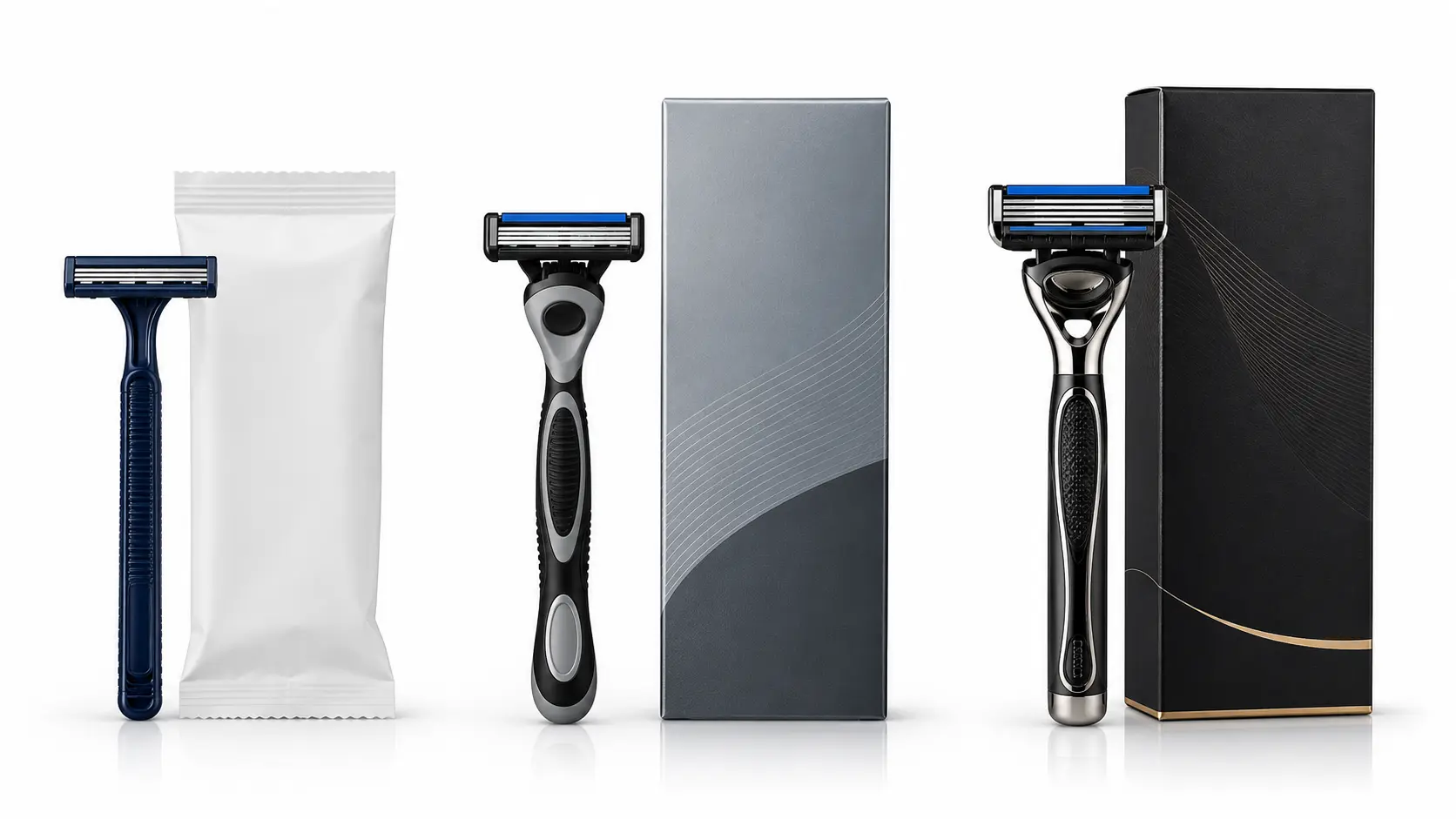
A qualified Manufacturer should not sell the same razor to every hospitality segment. Blade count affects shaving passes, rinsing, cartridge size, handle load, packaging dimensions, and unit cost. The correct choice depends on whether the amenity is an emergency convenience or part of a premium grooming experience.
Economy and Limited-Service Properties
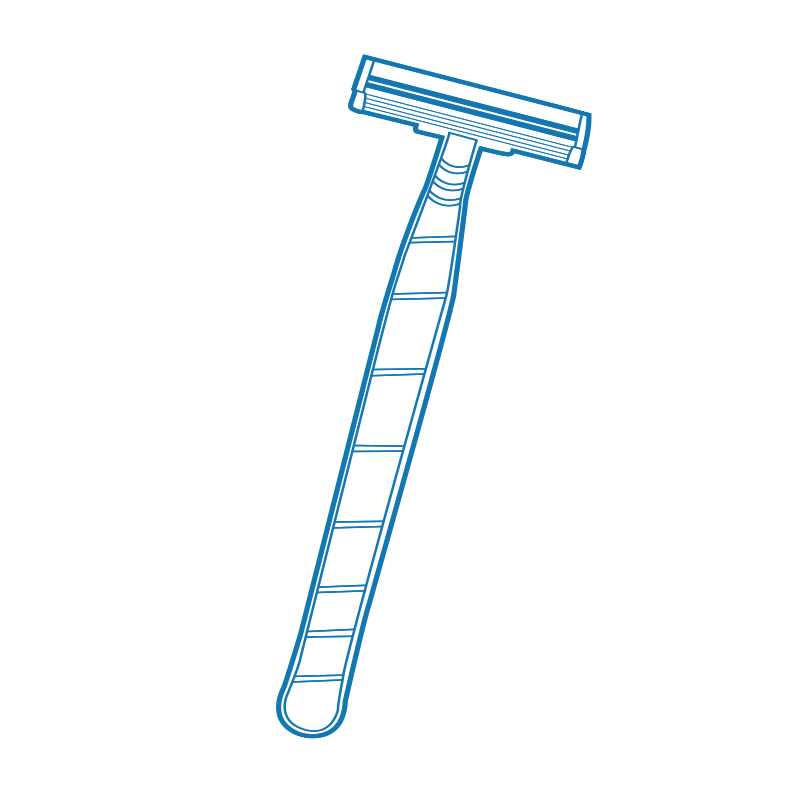
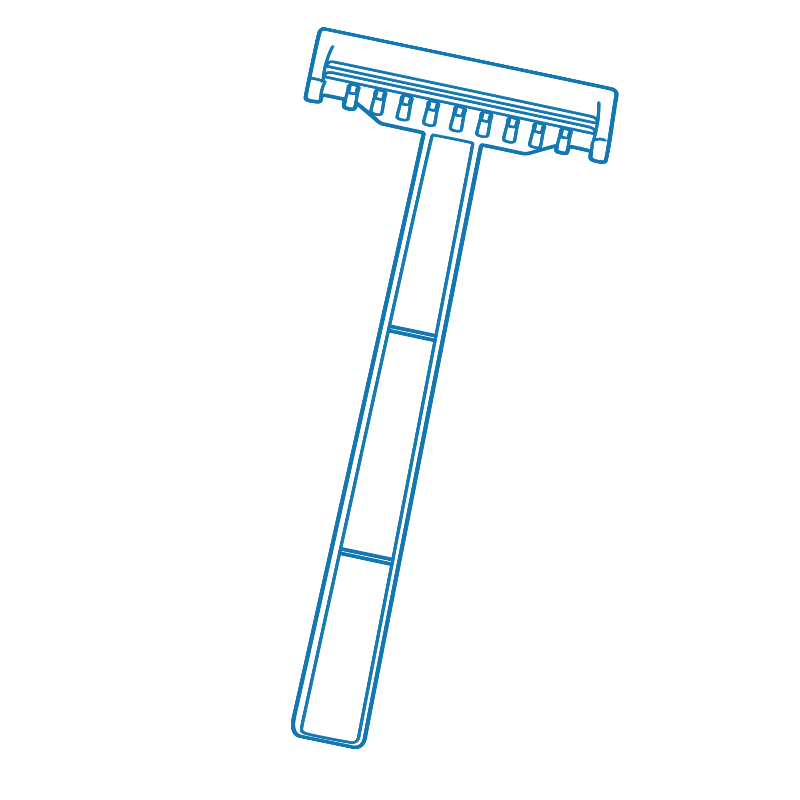
A fixed-head two-blade disposable razor is usually the most efficient starting point. Specify stainless-steel blades, a protective cap, an open rinsing path, and a textured handle. Avoid removing the lubricating strip merely to save a fraction of the cost; the strip can materially improve the first-use experience for a guest who may have limited shaving preparation.
Midscale and Business Hotels
A two- or three-blade razor with a controlled pivot can provide better contour response. A longer grip and more open cartridge architecture help users shave quickly before meetings or travel.
Luxury Hotels and Resorts
A three- or five-blade platform, heavier Customizable handle, wider lubrication area, and coordinated shaving cream can support a premium amenity story. However, the OEM Supplier should validate that added features improve actual guest use. A visually complex razor that clogs or is difficult to unpack does not create luxury.
3. Engineer the Handle for Wet-Hand Control
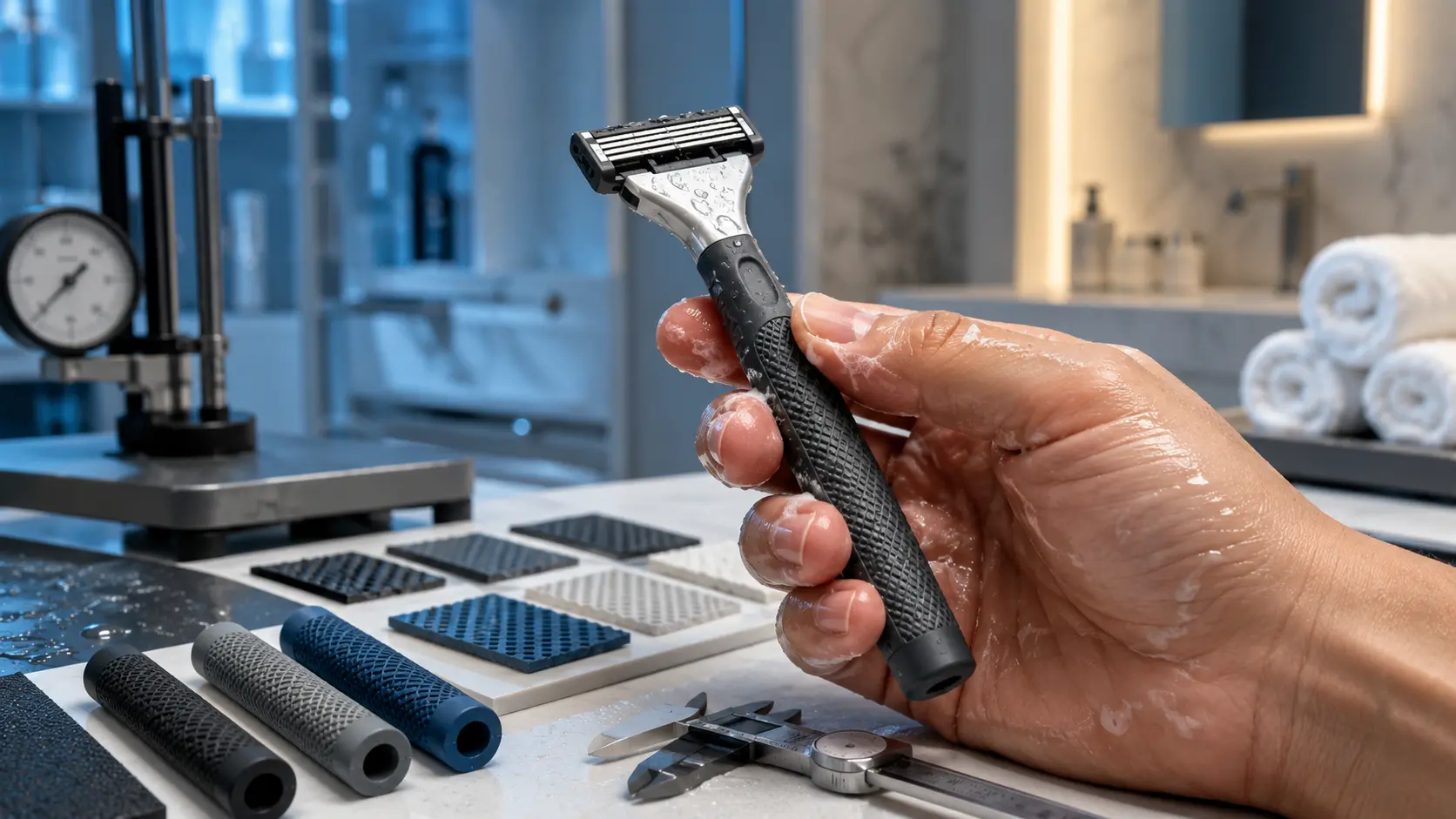
Hotel guests are unfamiliar with the supplied product. They may use it with wet or soapy hands, without reading instructions, and under time pressure. The relevant application is therefore an untrained-user, wet-hand operating environment. Human factors matter as much as blade count.
For initial OEM development, use the following parameters as engineering starting points rather than universal industry standards:
- Overall handle length: 115-130 mm for compact economy razors and 125-140 mm for comfort-oriented models;
- Primary grip-zone length: at least 65-75 mm for three-finger control;
- Grip thickness: approximately 9-16 mm, adjusted for the handle profile and material stiffness;
- Surface control: molded ribs, textured resin, or Customizable rubber areas where the target cost permits;
- Sharp-edge protection: a cap that remains secure in distribution but can be removed without contacting the blades;
- Rinsing access: visible open channels behind the blades to reduce hair and cream accumulation.
An ODM validation panel can include at least 20 representative users. Test dry grip, water-wet grip, soap-contaminated grip, cap removal, shaving-angle recognition, and rinsing. Record dropped products, grip repositioning, opening time, and user comments. A practical pilot target is at least 90% successful opening and correct first grip without verbal assistance.
4. Select Packaging by Protection, Opening, and Humidity Risk
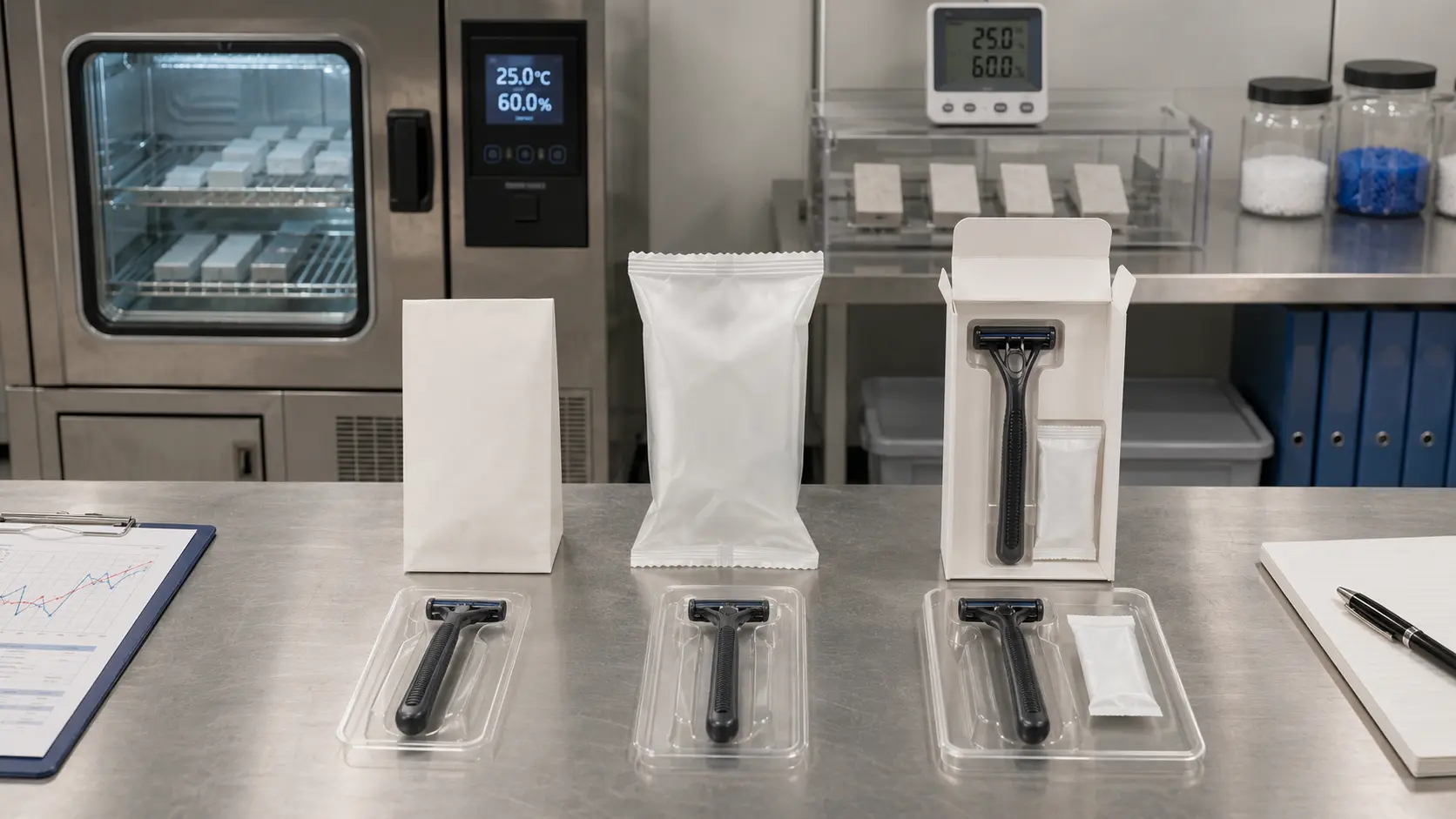
Hotel razor packaging is not sterile medical packaging, but it must protect the cutting area from contamination, corrosion, handling damage, and accidental contact. The pack also needs to remain presentable after storage near a humid bathroom, housekeeping cart, coastal resort storeroom, or non-air-conditioned floor pantry.
Paper Envelope
A paper envelope offers low cost, efficient printing, and reduced visible plastic. It works best when the razor has a secure cap and the paper grade, adhesive, and printing system have been verified under the target humidity. Uncoated thin paper can soften, tear, or absorb moisture.
Flow-Wrap or Sealed Pouch
A flexible pouch provides stronger moisture and contamination protection. If it is intended to be peeled or torn open, validate both minimum seal integrity and maximum opening effort. ASTM F88/F88M-23 can support seal-strength measurement, but the acceptance range must be developed for the exact film, seal geometry, and opening method.
Paper Carton or Premium Shaving Kit
A small carton offers more branding area and space for a cream sachet, but it increases material, freight cube, assembly labor, and disposal volume. Do not use hidden plastic trays merely to make a paper carton appear sustainable.
- Provide a visible tear notch or opening direction;
- Avoid staples, sharp carton edges, and adhesives that transfer to the handle;
- Separate cream sachets from the blade cap to prevent leakage contamination;
- Condition pilot packs in the expected humidity before appearance and opening tests;
- Confirm that the pack fits the housekeeping dispenser, storage bin, and amenity tray.
5. Compare Total Cost per Occupied Room, Not Unit Price Alone
The cheapest quotation may not produce the lowest hotel program cost. A professional Supplier should help the buyer calculate total cost per occupied room:
Annual program cost = occupied room nights × actual issue rate × landed kit cost + replenishment labor + storage cost + replacement cost + complaint cost.
In-room placement raises the issue rate because every prepared room receives an amenity. On-request distribution can justify a better razor because fewer units are issued. Packaging size also affects export-carton quantity, warehouse space, housekeeping-cart capacity, and internal transport.
- Consolidate razor and packaging specifications across properties where possible;
- Use different artwork while retaining one shared OEM product platform;
- Quote razor-only, razor-plus-cream, and premium-carton configurations separately;
- Compare landed cost at the hotel, not only the Manufacturer’s ex-factory price;
- Include defective, damaged, opened, and expired inventory in the cost review;
- Use actual guest-request data instead of assuming every occupied room needs a razor.
A Customizable color or logo normally adds less operational complexity than a unique cartridge, material, or package size. Preserve the shared platform unless differentiation creates measurable guest value.
6. Use a Tiered Hotel Razor Specification
The following comparison uses a normalized cost index. A basic two-blade, razor-only, in-room configuration equals 100. The other figures are illustrative engineering ranges, not quotations. Actual cost depends on blade platform, material, order volume, artwork, packaging, Incoterm, testing, and destination.
| Hotel Application | Recommended Razor | Distribution Model | Packaging Configuration | Illustrative Cost Index | Main Experience Risk |
|---|---|---|---|---|---|
| Economy or limited service | 2 blades, fixed head, textured handle, lubricating strip | In room or reception | Paper envelope or light sealed pouch | 100-120 | Drag, weak grip, or cap loss |
| Midscale business hotel | 2-3 blades, open cartridge, optional pivot | On request | Printed pouch or compact paper sleeve | 125-165 | Poor contour response or difficult opening |
| Resort or extended stay | 3 blades, wet-grip handle, wider lubrication area | Selected rooms or on request | Humidity-resistant pouch | 150-200 | Moisture damage or bathroom storage failure |
| Luxury or VIP service | 3-5 blades, pivoting head, premium Customizable handle | VIP placement or on request | Branded carton with optional cream sachet | 210-320 | Premium appearance without premium performance |
The table prevents an importer or hotel group from over-specifying every property. It also gives an OEM Manufacturer a controlled Good-Better-Best architecture: one economical platform, one comfort platform, and one premium ODM solution.
7. Decide Whether the Shaving Kit Needs Cream
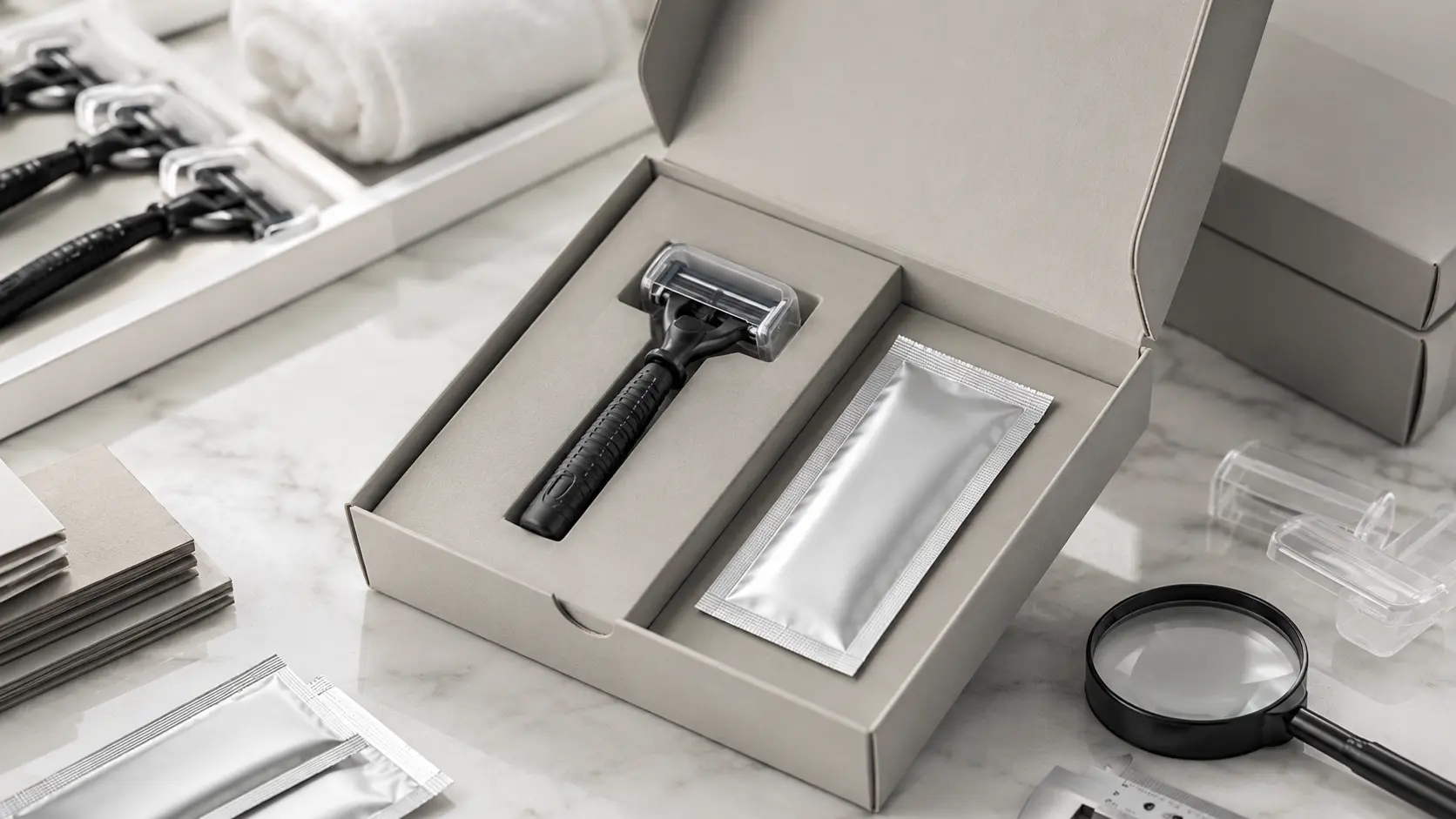
A shaving cream sachet can improve comfort, especially when the guest has no personal grooming products. It also adds leakage risk, ingredient documentation, shelf-life management, filling responsibility, packaging space, and another potential Supplier. The hotel should decide whether the cream is part of the required user experience or simply inherited from an old amenity specification.
Razor-Only Configuration
This is suitable when soap, shower gel, or shaving products are already accessible. It minimizes packaging and simplifies lot control. The razor should then have a reliable lubricating strip and a cartridge that rinses easily.
Integrated Shaving Kit
For premium properties, business hotels, and long-haul travel hubs, a razor-plus-cream kit may feel more complete. Specify the cream fill weight, ingredient list, market language, batch code, shelf life, sachet seal, and compatibility with the outer pack.
Leak-Control Requirements
- Prevent direct blade pressure against the sachet during packing and transport;
- Use a divider, controlled orientation, or separate internal compartment;
- Inspect seal continuity and perform compression and transport simulation;
- Trace cream and razor lots independently when different Suppliers are involved;
- Define whether the razor Manufacturer or kit assembler owns final-release responsibility.
8. Build Quality Control Around Guest Safety and First-Use Success

A hotel razor may be used only once, so the first shave must represent the entire product experience. Final inspection should cover blade sharpness consistency, blade count, alignment, retention, cartridge cleanliness, cap security, handle condition, lubricating-strip position, package integrity, correct contents, and lot identification.
ISO 2859-1:2026 provides AQL-indexed sampling plans for inspection by attributes, but it does not select defect classes for the buyer. A practical OEM starting structure is:
- Critical, Ac 0: loose blade, severe blade misalignment, unintended exposed sharp point, contaminated cutting area, or wrong product posing a safety risk;
- Major, example AQL 1.0: loose head, missing cap, incomplete package seal, unusable grip, missing cream, or incorrect hotel artwork;
- Minor, example AQL 2.5: small cosmetic mark outside the primary display area or slight nonfunctional print variation.
These are contractual starting values, not universal standards. Critical characteristics should also have preventive process controls. The Supplier may use automated vision for blade presence and gross alignment, in-process pull tests for assembly retention, and final random inspection across cartons, production times, molds, and assembly stations.
For an initial project, add a packaged-product screening sequence: humidity conditioning, six-orientation drop testing from a project-defined height, carton compression, vibration, and post-test cap and seal inspection. Select a recognized ISTA procedure only after mapping the actual shipping route; parcel, mixed-pallet, and unitized hotel-supply shipments experience different hazards.
9. Reduce Packaging Waste Without Weakening Protection
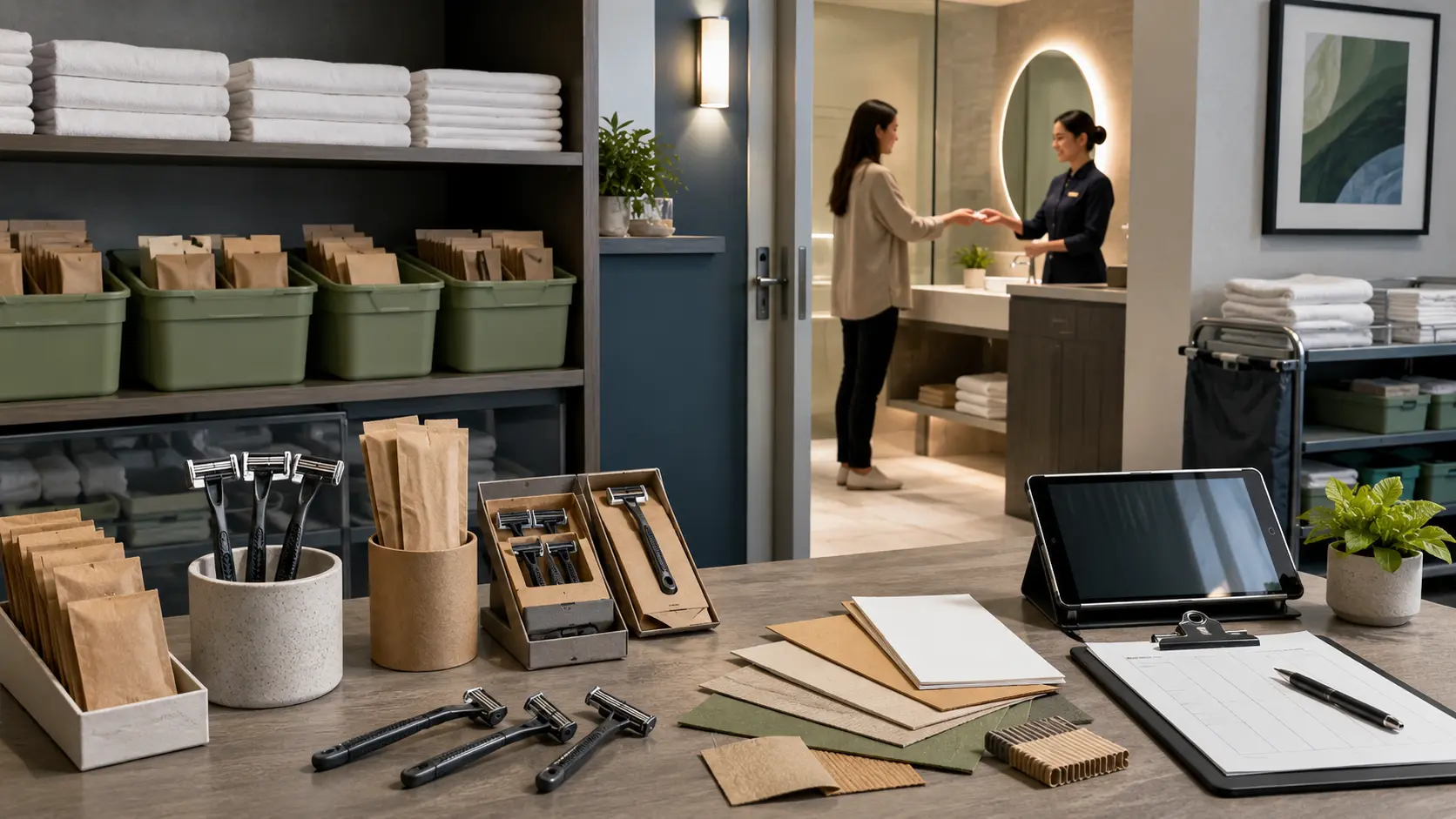
Sustainability should be managed with measurable material and distribution decisions. Changing a white plastic pouch to brown paper does not automatically reduce environmental impact. A paper pack that tears in storage and forces product replacement may create more waste.
For properties pursuing Green Key or similar goals, the strongest first action is often the on-request amenity distribution system. It eliminates unnecessary products before redesigning the remaining packaging. The OEM or ODM project can then evaluate:
- Reducing packaging dimensions and empty internal volume;
- Removing unnecessary trays, windows, laminates, and secondary sleeves;
- Using verified recycled material where function and market rules permit;
- Using responsibly sourced paper with valid chain-of-custody evidence;
- Printing disposal instructions that match local collection systems;
- Separating the razor and cream when combined materials prevent recovery;
- Tracking razor requests per 1,000 occupied room nights.
Haward Razor’s catalog identifies GRS and BRC qualifications. A buyer should still request current certificates, site scope, product applicability, transaction documentation, and evidence for each packaging or recycled-content claim. “Eco-friendly,” “biodegradable,” and “plastic-free” should never be printed without a defined material basis and destination-market review.
10. Convert the Concept into a Controlled OEM or ODM Launch
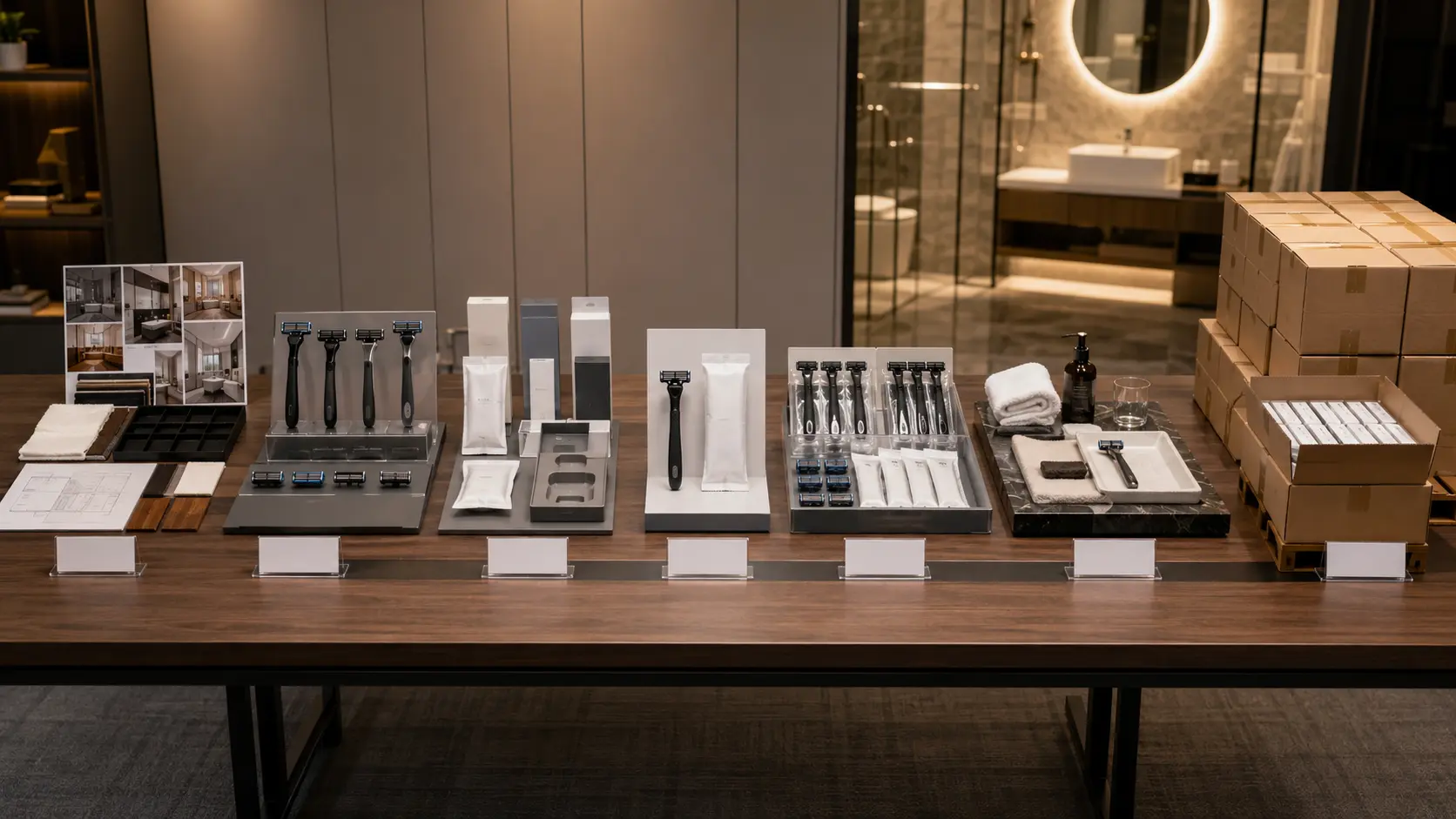
A successful hotel amenity program begins with a short application brief. The hotel group, importer, or distributor should provide property tiers, annual occupied room nights, expected issue method, target markets, desired blade count, packaging restrictions, branding, shaving-cream requirement, target landed cost, and delivery schedule.
Recommended Development Gates
- Application definition: confirm guest segment, property type, distribution topology, and environmental challenges;
- Platform selection: compare existing Manufacturer platforms before authorizing Customizable tooling;
- Package prototype: check opening, blade protection, humidity resistance, storage fit, and housekeeping handling;
- Golden-sample approval: freeze the razor, cap, strip, artwork, package, cream, and acceptance criteria;
- Pilot production: collect assembly, sealing, traceability, transport, and user-panel evidence;
- Property trial: test in selected rooms or through reception and measure actual request rate;
- Scale-up: release volume only after complaints, waste, inventory, and guest feedback are reviewed.
An existing ODM platform offers shorter development time and lower tooling exposure. A full OEM program is appropriate when a hotel chain needs exclusive geometry, a signature handle, special color matching, or a proprietary packaging system. In both cases, the agreement should define tooling ownership, artwork control, approved sub-Suppliers, change notification, quality records, and corrective-action responsibility.
11. Protect Traceability and Destination-Market Compliance
Hotel distribution does not remove consumer-product responsibilities. The importer and Supplier should confirm the rules for every destination. For EU projects, the General Product Safety Regulation has applied since December 13, 2024, and the commercial team should allocate responsibility for product identification, Manufacturer and importer information, technical documentation, risk assessment, traceability, online information where applicable, and corrective action.
Each production lot should connect finished kits to blade lots, resin batches, molding cavities, assembly line, lubricating-strip lot, packaging material, cream batch, inspection results, and release authority. When a hotel chain distributes one design across several countries, do not assume one artwork version satisfies every language, operator-information, packaging, and disposal requirement.
- Keep a controlled specification and artwork revision for every SKU;
- Print or record a legible batch identifier at the agreed packaging level;
- Retain approved samples and inspection records for the contractual period;
- Require written approval before changing blades, resin, strip, packaging, or sub-Supplier;
- Define complaint containment, root-cause analysis, replacement, and recall cooperation.
Build a Hotel Razor Program That Protects Cost and Guest Trust
Balance razor architecture, wet-hand ergonomics, packaging, issue rate, quality, and compliance as one system. Send Haward Razor your hotel tier, forecast, target market, Customizable features, packaging format, and distribution model to receive a structured OEM or ODM amenity-razor proposal.