
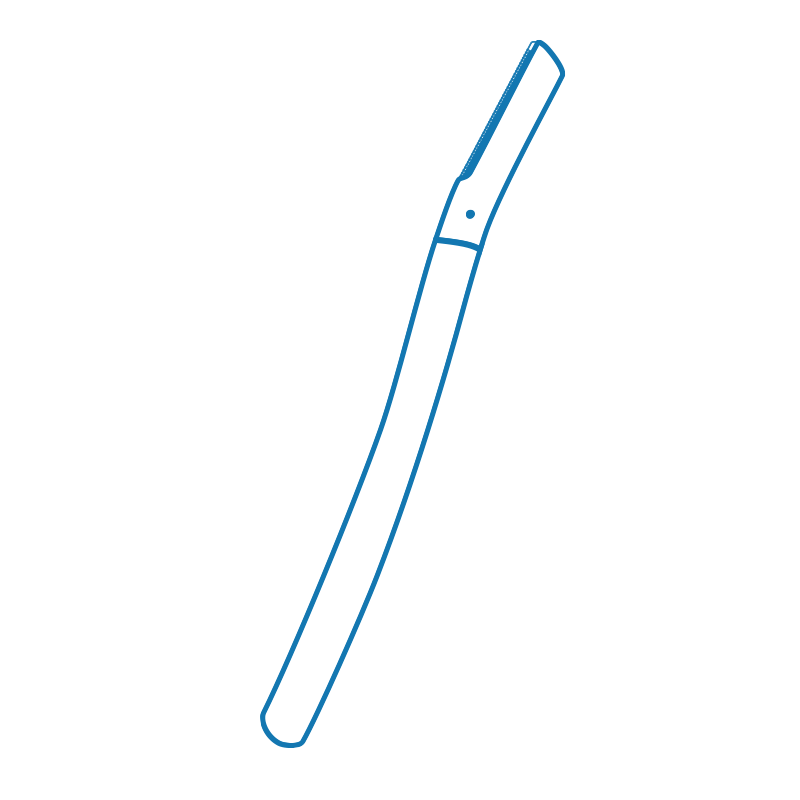
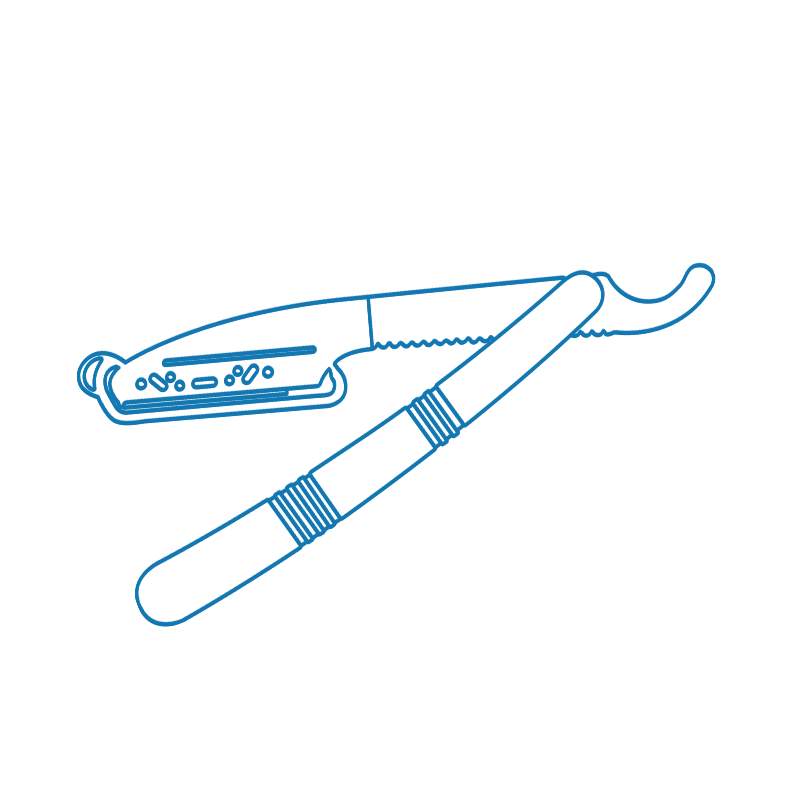
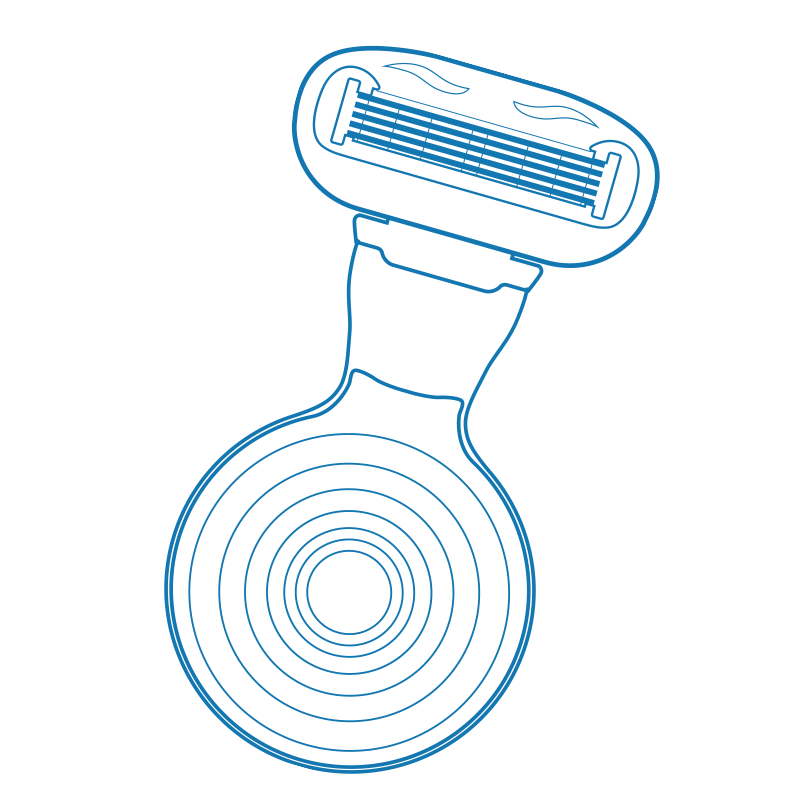

A customer needs a razor before work or during an unplanned overnight stop. The store has only a narrow personal-care section, and the buyer must choose packs that customers can recognize quickly. A large multipack consumes valuable space. A refill-only pack may leave the customer without a usable handle. An unclear front panel adds hesitation at the shelf. For the retailer, these are assortment and packaging decisions with direct consequences for stock investment and replenishment. A capable convenience store razor supplier helps connect the purchasing occasion to a complete product, a compact pack, and a workable display. The goal is a paid retail offer that solves the immediate need while remaining straightforward for store staff to sell, scan, and restock.
Start development with 1–2 complete disposable razors, a 65–90 mm pack width, and protected heads; validate depth and fixture fit with samples. Haward is your specialist Manufacturer and Supplier for Customizable OEM and ODM razor programs, combining product selection with compact packaging development for convenience-store and petrol-station retail.
Retailers, importers, wholesalers, and distributors can use the following real retail examples and development scenarios to build a practical assortment. We will connect pack contents, wet-hand handling, display geometry, quick recognition, and replenishment, showing which parameters to confirm before committing to artwork, store allocation, or a wider private label rollout.
Build the Assortment around a Complete, Immediate-Need Purchase
NACS describes convenience retail around convenient access and quick purchases. For shaving products, translate that channel role into a specific buying occasion: a forgotten razor, a short business trip, or an unexpected overnight stay.
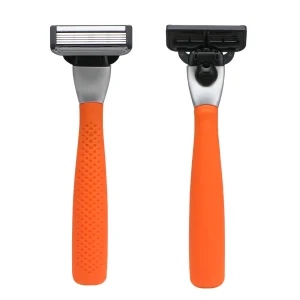
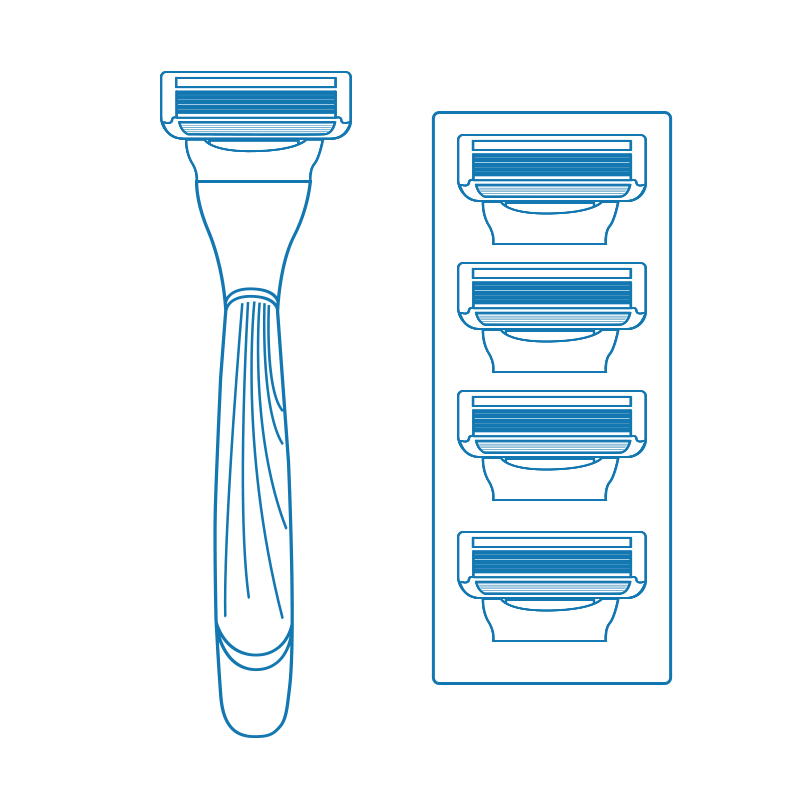
A complete disposable razor gives the shopper a handle and cutting head in one purchase. A system razor starter pack can also serve the occasion if its included contents are immediately clear. Refill cartridges need a compatible handle, so they require a different assortment decision.
There are real packaging precedents. Seven Premium lists a two-razor disposable pack and a separate razor-and-shaving-cream travel set. The travel-set listing identifies selected 7-Eleven stores as its retail channel. These are useful format references for product development.
- Confirm whether the buyer needs a razor alone or a complete compact retail shaving kit.
- Set a retail price position using local competitor and store data.
- Allocate a defined number of facings before expanding the range.
Select the Razor before Compressing the Packaging
Use Actual Protected-Product Dimensions
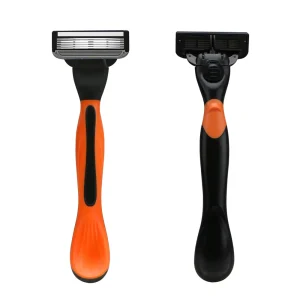
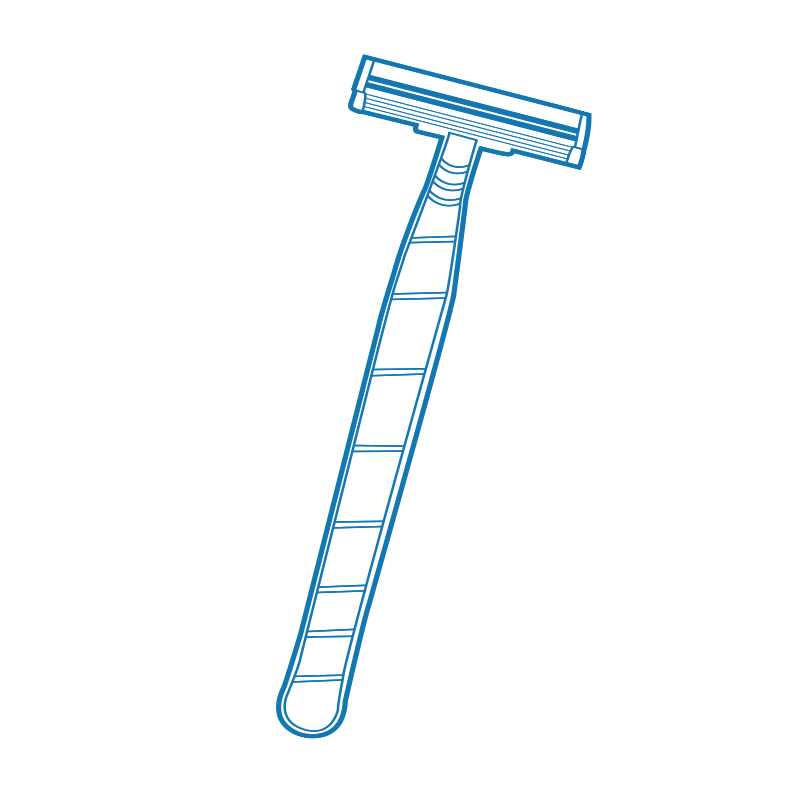
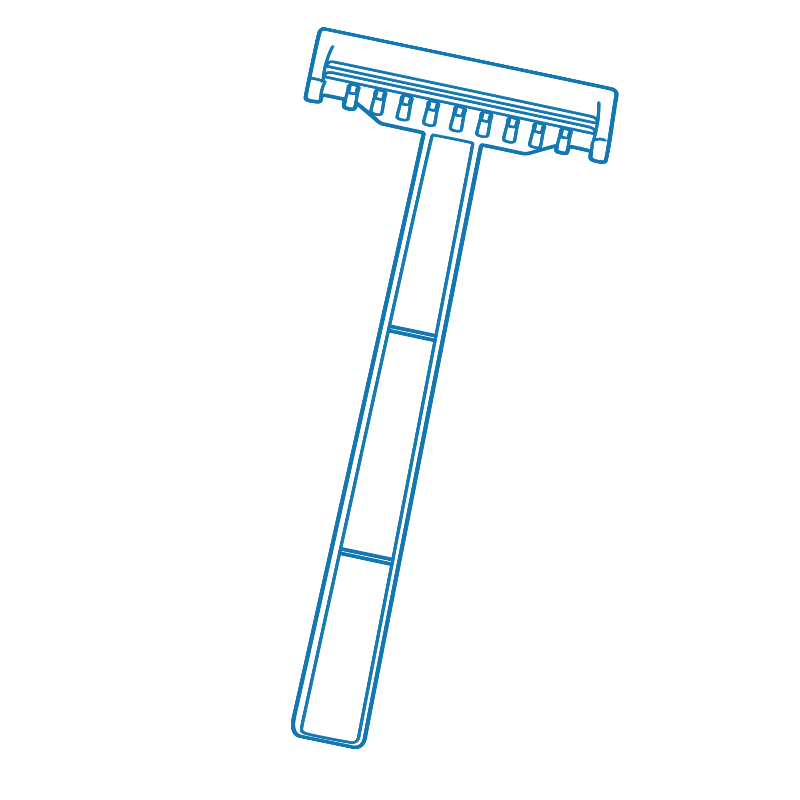
Haward’s D223L two-blade disposable razor has a fixed head and rubber handle. Its published length is 120 mm, with poly-bag and display-card packaging listed. The D328L three-blade disposable razor provides another fixed-head, rubber-handle option with a lubricating strip.
These are starting products for sample review, rather than evidence that one finished pack fits every store fixture. The Manufacturer should measure the exact selected version with its head protection before finalizing a dieline.
- Record maximum protected length, head width, and overall depth in millimeters.
- Include the cap, retaining features, seal area, and hanging section in the pack layout.
- Compare grip control with dry, water-wet, and soap-contaminated hands using an agreed method.
- Check that opening the pack does not require gripping the cutting head.
For a disposable razor convenience retail program, a familiar full-length handle can remain practical inside a compact pack. Reducing empty packaging space should be evaluated before changing the product itself.
Match Pack Contents to the Store’s Purchasing Occasion
Urban stores, commuter locations, and petrol forecourts can justify different pack contents. The following comparison gives illustrative development envelopes, not verified Haward packaging specifications. Dimensions are width × height × depth; actual fit requires physical samples.
| Retail Scenario | Example Contents | Prototype Pack | Main Development Check |
|---|---|---|---|
| Neighborhood emergency purchase | 1 complete razor | 65 × 160 × 22 mm | Clear count and narrow frontage |
| Petrol-station overnight need | 1 razor + 5 mL cream sachet | 75 × 170 × 30 mm | Sachet separation and kit visibility |
| Commuter or short-stay purchase | 2 complete razors | 90 × 170 × 28 mm | Product retention and ticket price |
For petrol station razor packs, confirm whether the extra sachet answers a real customer need or merely adds cost and volume. The 5 mL amount is a pack-design example, not a universal usage recommendation.

An OEM or ODM brief should identify the intended configuration before artwork begins. A convenience store razor supplier can then compare packaging alternatives against the same contents and fixture requirement.
Calculate Frontage before Approving the Card Width
Distinguish Theoretical Facings from Fixture Fit
A narrow card can create more display positions, but the benefit should be calculated. Assume a 300 mm usable horizontal span and a 5 mm gap between neighboring packs. Using the prototype widths above gives the following simple comparison.
| Pack Width | Theoretical Facings | Occupied Span | Remaining Width |
|---|---|---|---|
| 65 mm | 4 | 4 × 65 + 3 × 5 = 275 mm | 25 mm |
| 75 mm | 3 | 3 × 75 + 2 × 5 = 235 mm | 65 mm |
| 90 mm | 3 | 3 × 90 + 2 × 5 = 280 mm | 20 mm |
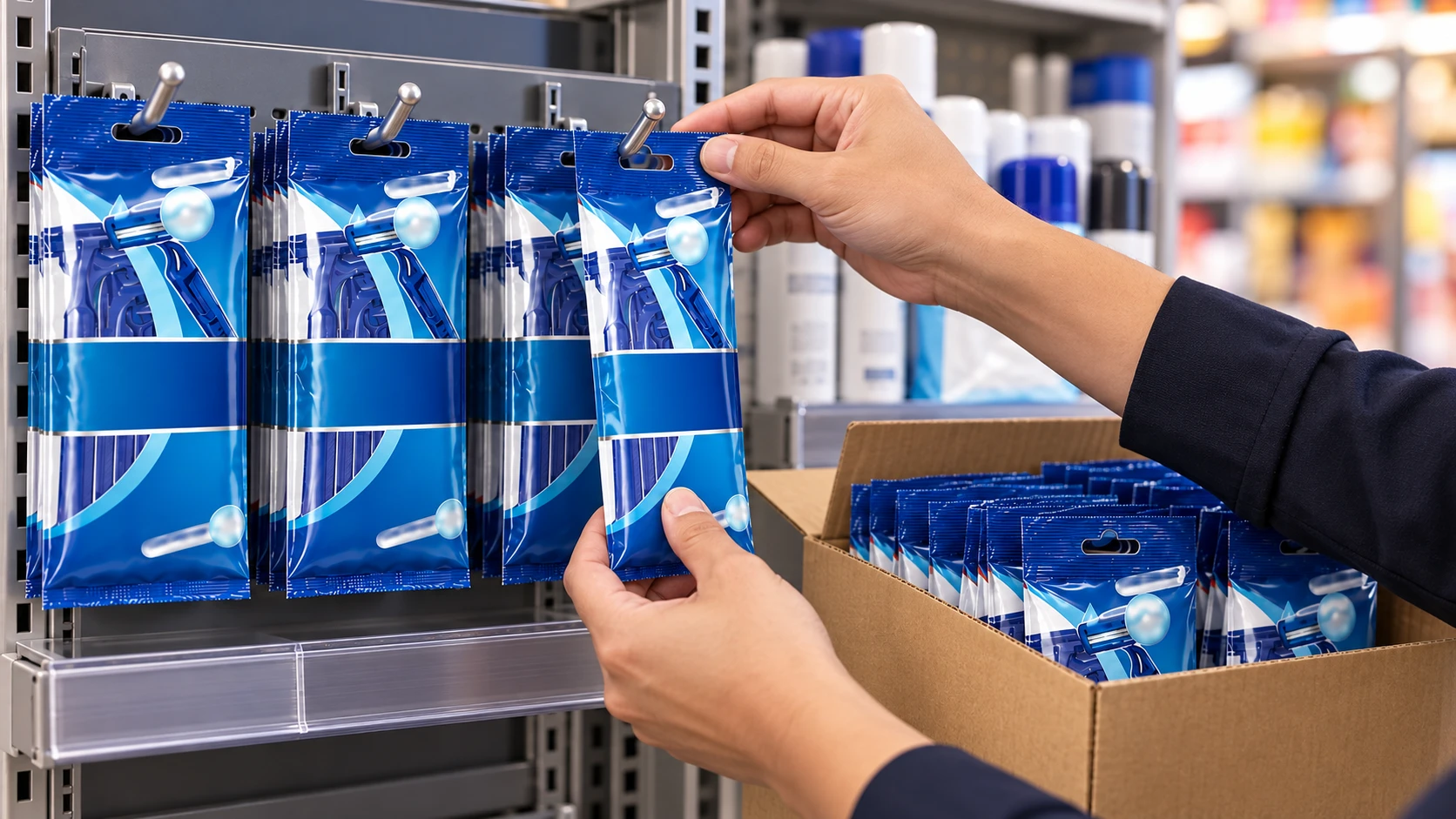
These figures describe frontage only. Actual hook centers, hanging-hole position, neighboring products, price strips, and shopper finger access still need checking. A slim pack that catches on the next hook is not ready for rollout.
Ask the Supplier to test the pack on the retailer’s fixture or an accurate sample. Confirm usable hook depth and the number of packs that remain accessible when loaded. Keep the physical test alongside the drawing so the display decision can be repeated across stores.

Make the Pack Easy to Identify and Scan
The front panel should communicate the product type, complete-razor count, and any included cream without requiring a shopper to inspect the back. Keep blade count visually separate from the number of razors. Product visibility can help, provided the window does not compromise protection or necessary label space.
Use a short recognition task during development. For example, show a prototype for 3 seconds at approximately 1 meter, then ask participants what it contains. These are suggested trial conditions, not a universal readability standard. Record misunderstandings and compare layouts under the store’s lighting.
- Check visibility with the pack hanging behind the price label.
- Keep the principal contents message consistent across colors.
- Reserve label space for destination-market information.
- Verify barcode quality on the finished printed pack.
GS1’s barcode guidance covers quiet zones, contrast, size, height, and interference from packaging. A successful phone scan alone should not replace the agreed verification method and retailer POS checks.
Protect the Head and Make Opening Intuitive
A compact retail shaving kit must remain intact through distribution, shelf handling, and checkout. Develop the head cap, product restraint, seal, and opening feature together. The cap should remain secure during the agreed handling tests while allowing removal as intended after purchase.
For a razor-and-cream configuration, use a separate compartment or controlled positioning so the sachet cannot rub against an unprotected edge. Check that handling pressure does not dislodge the cap or damage the sachet.
- Inspect cap retention and product movement before and after handling tests.
- Check the hanging hole for tearing under the planned display load.
- Place the tear or peel feature away from the cutting head.
- Assess sachet leakage and separation with the actual filled component.
Use the selected razor and packaging materials for approval. For petrol station razor packs, review actual transport and store-storage conditions rather than assuming a small pack needs minimal protection. Any cream component also needs its own formulation, labeling, and storage review.
Choose Inner Packs That Store Staff Can Replenish Easily
Small stores need a manageable retail unit and a manageable delivery unit. A convenient single-razor pack loses its operational advantage if the distributor delivers an oversized assortment that fills the back room.
Ask the convenience store razor supplier to quote the retail pack, inner pack, and export carton separately. For store replenishment, compare 6-pack and 12-pack inner quantities as development options against actual shelf capacity and delivery frequency. These are planning examples, not Haward minimum-order requirements.
- Identify each inner pack by SKU, contents, and quantity.
- Keep store-order units consistent with distributor picking records.
- Separate damaged packs from saleable stock during replenishment.
- Provide an opening method that avoids cutting into retail packs.
For illustration, demand of 3 packs per day, a 7-day local replenishment lead time, and a 6-pack buffer produce a reorder trigger of 27 packs. Compare available stock plus confirmed incoming stock, less allocations, with that trigger. The seven days represent distributor-to-store service, not international manufacturing or shipping lead time.
Approve the Program through a Paid Retail Pilot
Compare prototypes in stores representing the intended catchment, such as neighborhood, commuter, and petrol-station locations. Use an agreed pilot period long enough to observe multiple replenishment cycles. Do not treat free sample acceptance as evidence of paid retail demand.
The buyer, Manufacturer, and distributor should review:
- Units sold per store and days actually available for sale;
- Contribution after relevant product, distribution, and damage costs;
- Sales relative to allocated frontage;
- Scan problems, opening feedback, and damaged packs; and
- Staff time and accuracy when restocking.
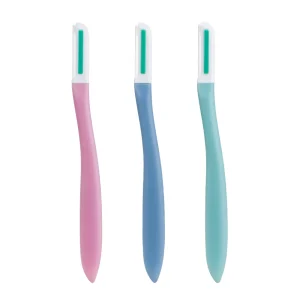
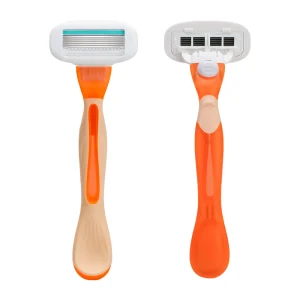
Keep Customizable colors and artwork within a controlled assortment. Add a women’s razor or eyebrow razor SKU when store-level demand supports another facing, with its intended use clearly identified.
For an OEM or ODM rollout, approve the selected product, pack dimensions, contents, barcode, and inner quantity together. This gives the convenience store razor supplier a clear production brief and gives the retailer a repeatable store-level offer.
Develop a Pack around Your Store Format
Send Haward your target stores, fixture dimensions, retail price position, and preferred contents. Our OEM and ODM team can discuss a Customizable razor pack and sample plan that connects immediate-need purchases with protected products, clear presentation, and practical replenishment.