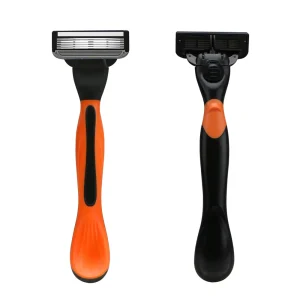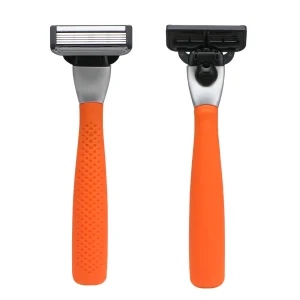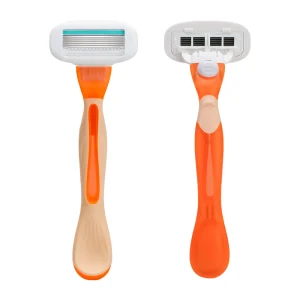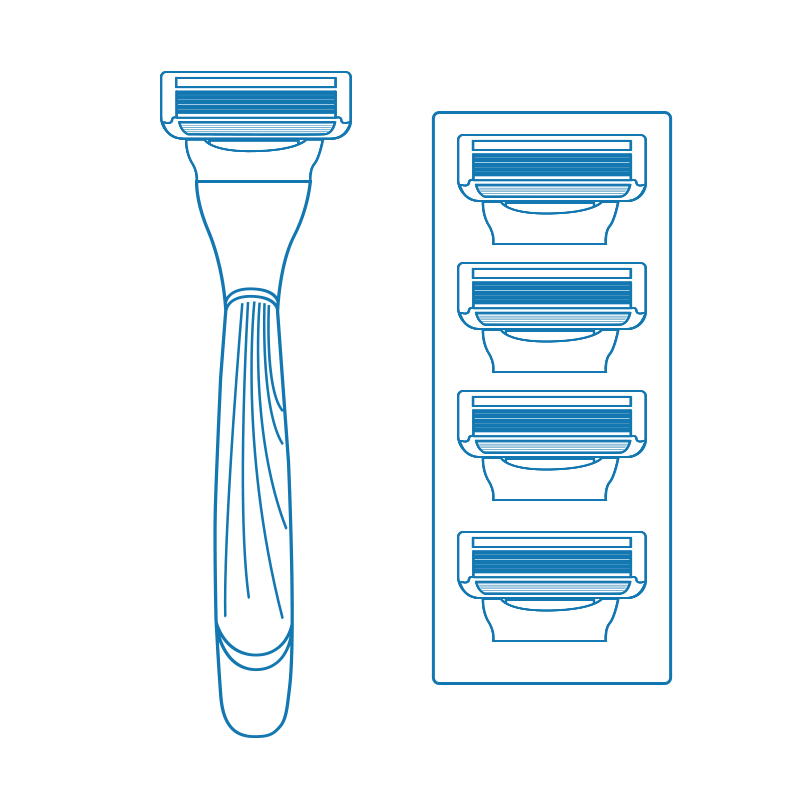


A retailer receives a private label Razor shipment and finds loose cartridge connections, damaged presentation boxes, or incorrect refill counts. The immediate concern is keeping affected stock away from customers while maintaining supply. However, resolution slows when the purchase contract says only that the Supplier will replace defective goods. Who authorizes sorting? Can a local warehouse repack the sets? Who pays replacement freight and documented retailer deductions? Without agreed answers, a manageable issue can become a delivery delay, an inventory write-off, and a payment dispute. A practical razor quality warranty connects approved specifications, defect evidence, containment, authorized remedies, and transparent cost allocation. Both parties can then protect the retail program and resolve the claim through a shared, clearly documented process.
A qualified Supplier should provide traceable specifications, a clear razor quality warranty period, defect-reporting requirements, containment responsibilities, authorized remedies, and documented cost settlement. For a Haward OEM or ODM Razor project, these controls should be agreed before production, with rework approval, freight allocation, retailer chargebacks, and corrective-action deadlines recorded in the purchase contract.
Procurement teams, retailers, and engineering wholesalers can use the following framework to understand how experienced buyers structure quality claims. The examples explain how to protect saleable stock, choose practical remedies, and document reasonable costs while helping the Manufacturer turn field feedback into stronger controls for the next scheduled production batch.
Define the Razor Quality Warranty Before Production
Connect Coverage to Approved Product References
A private label warranty clause needs a clear product baseline. For a Customizable Razor, this includes the approved drawing, bill of materials, retained sample, packaging artwork, and inspection criteria. A color complaint, for example, should reference the agreed color master and assessment method; a cartridge connection complaint requires a defined functional check.
- Product scope: identify handles, cartridges, blade assemblies, accessories, and retail packaging covered by the agreement.
- Covered nonconformities: specify departures from approved requirements, including concealed manufacturing defects.
- Exclusions: describe wear, misuse, or storage damage carefully; support any exclusion with evidence connecting it to the reported problem.
- Remedies: establish how replacement, approved rework, refund, or credit will be selected.
ISO 9001 concerns quality management systems. An ISO 9001 certificate, where provided, does not replace product specifications or define compensation. Verify its scope separately. These are commercial planning examples, not legal advice; counsel should adapt the agreement to applicable law and distinguish the Supplier warranty from the brand’s consumer obligations.
Build an Evidence Package That Both Parties Can Review
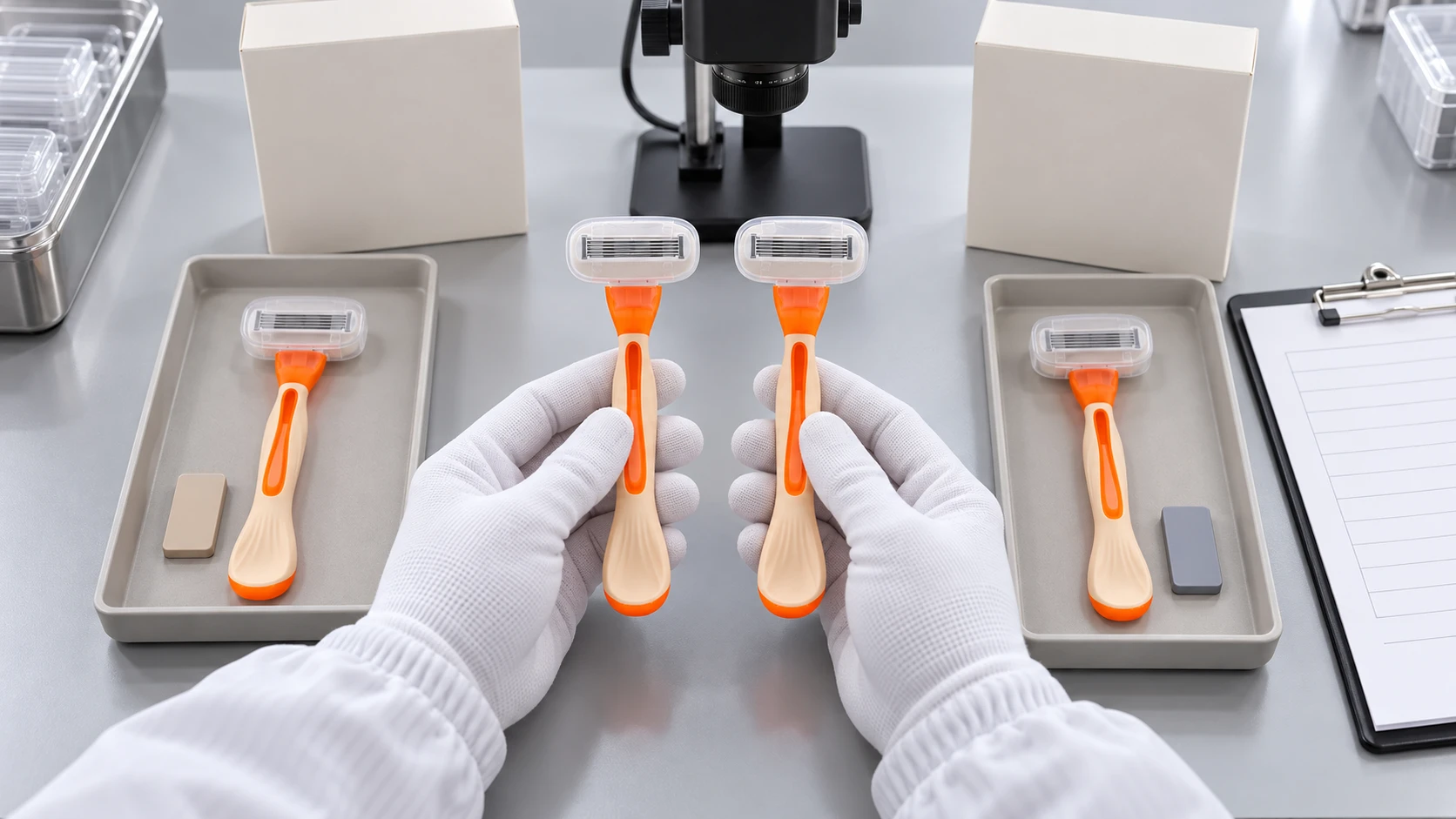
The strongest claim starts with traceable facts. A photograph of one damaged Razor can identify a concern, but it cannot establish the condition of every carton. The buyer and Manufacturer should agree on an evidence template before the first OEM shipment.
- Order identification: purchase order, SKU, batch number, carton markings, and delivery date.
- Quantity reconciliation: units received, inspected, confirmed defective, and awaiting inspection.
- Defect evidence: photographs, videos, measurements, test conditions, and comparison with an approved sample.
- Storage and handling: receiving records, damaged-carton photographs, and relevant transport information.
- Sample retention: preserve representative failed and conforming units with their identification.
Keep consumer-return findings separate from unopened warehouse stock. Used blades and opened packs may have different exposure histories. If results come from sampling, state the sample size and selection method; do not present the observed defect percentage as a confirmed whole-shipment count.
This evidence also helps determine whether the issue originated in manufacturing, packing, transport, or later handling, supporting a proportionate remedy.
Give Each Claim a Practical Response Schedule
Separate Warranty Coverage from Response Deadlines
A razor quality warranty should distinguish coverage duration, defect-notification timing, and claim-response deadlines. For negotiation, parties might discuss twelve months from receipt at a named distribution center and notice within five business days of discovery. These are illustrative terms, not Haward policy or universal legal limits.
Define the start event, responsible contacts, time zone, and treatment of concealed defects. Avoid making a short receiving inspection window the only route for reporting a manufacturing problem discovered later.
| Milestone | Example target | Required output |
|---|---|---|
| Claim acknowledgement | 1 business day after notice | Case owner and reference number |
| Containment plan | Within 2 business days | Stock locations and hold instructions |
| Initial technical assessment | 5 business days after sufficient evidence | Findings and proposed remedy |
| Corrective-action plan | 10 business days after sufficient evidence | Actions, owners, and verification dates |
Track missing information explicitly. Suspected safety defects require immediate assessment and appropriate containment; commercial response targets must not delay necessary action or applicable reporting obligations.
Contain and Sort Stock Using Written Criteria
Containment gives the teams time to investigate without continuing to distribute potentially affected goods. The Supplier should identify related finished stock and work in progress, while the buyer checks distribution centers, goods in transit, and retail allocations. Use batch records to define the initial hold and broaden it if the evidence requires.
- Place identified stock on a physical and electronic quality hold.
- Agree on defect descriptions, reference photographs, inspection methods, and acceptance criteria.
- Approve the sorting location, trained personnel, unit rate, and reporting format.
- Separate accepted, rejected, and uncertain units with traceable status labels.
- Release conforming stock only after the designated quality representative approves the records.
For a refill pack containing the wrong number of cartridges, counting may support reliable sorting. A suspected blade-retention defect may need a different investigation because destructive testing cannot establish the condition of every saleable unit.
The agreement should name emergency decision-makers and a provisional cost-authorization process. Acting promptly to contain stock can proceed while the parties investigate final cost responsibility.
Select a Remedy That Preserves Product Quality and Supply
Authorize Defective Razor Rework Before Work Begins
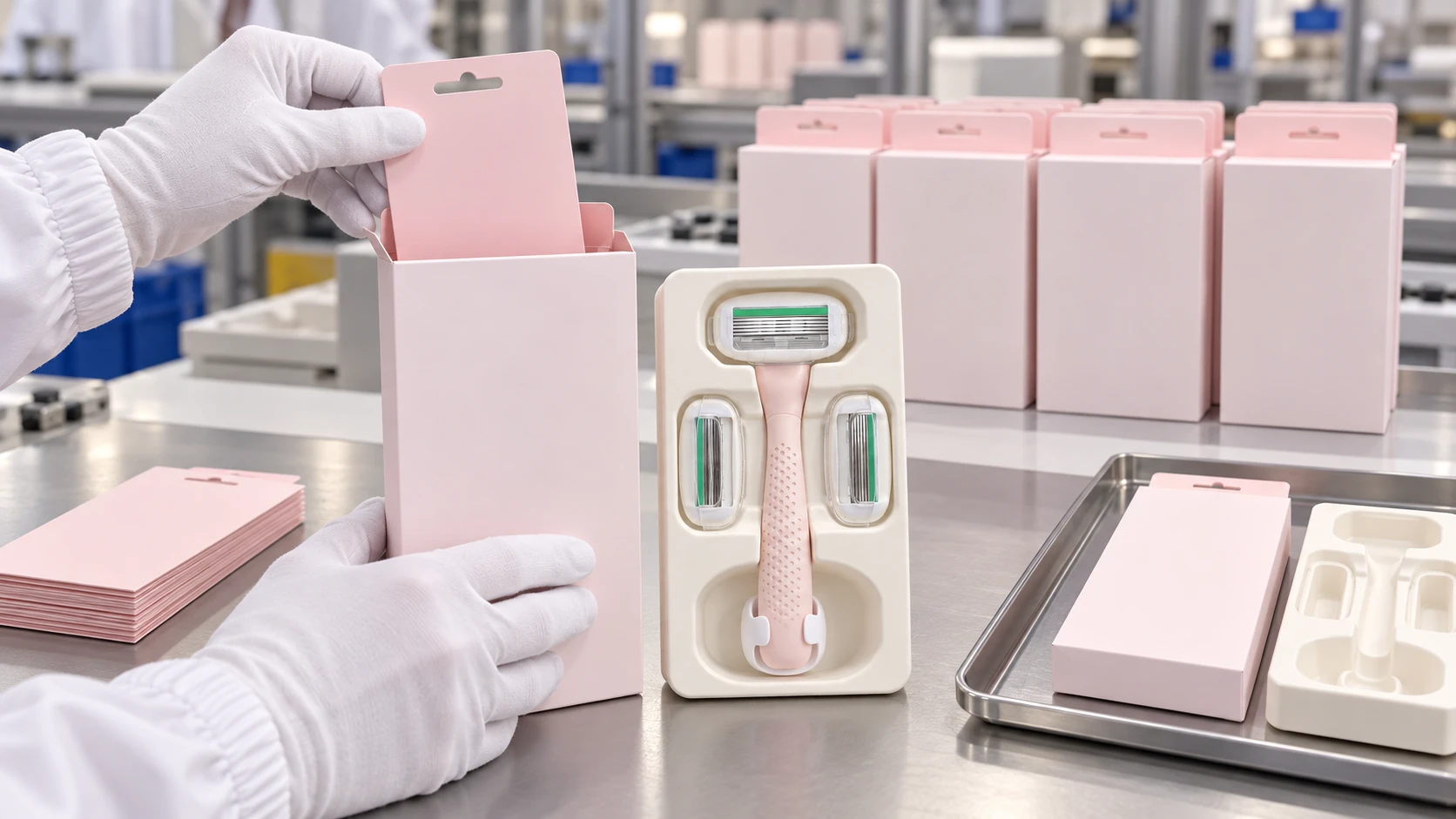
Defective razor rework should follow an approved method that restores the original specification. Replacing an incorrect promotional insert or damaged outer carton may be suitable for an authorized local packing operation. Altering blade alignment, cartridge welds, or blade coatings requires an appropriately qualified manufacturing process; warehouse improvisation is unsuitable.
- Work instruction: identify the affected defect, permitted operations, tools, and replacement materials.
- Product protection: preserve blade guards, cleanliness, seals where specified, and component traceability.
- Rework approval checkpoint: approve initial completed samples before processing the remaining stock.
- Final release checkpoint: document inspection results and authorization to return units to saleable inventory.
- Disposition records: reconcile reworked, rejected, and scrapped quantities.
Do not return used consumer products to new-stock inventory. Where restoration cannot be verified, consider replacement or credit under the agreed remedy process. For Customizable OEM and ODM programs, specify whether reworked units retain the remaining warranty or receive another agreed period. Also identify who approves any change to artwork, packaging materials, or product presentation.
Agree Return Freight and Replacement Delivery Separately
Transport can become the largest part of an overseas claim. Returning low-value packaging defects internationally may cost more than approved local correction. Conversely, a technical investigation may require representative samples at the Manufacturer before a remedy can be confirmed.
The ICC introduction to Incoterms 2020 explains that these rules allocate delivery-related obligations, risks, and costs but do not define remedies for breach. Consequently, the original shipping term alone does not settle quality-claim freight.
- Return authorization: identify which samples or quantities must return and their destination.
- Freight responsibility: allocate investigation samples, rejected stock, and replacement deliveries separately.
- Customs handling: agree responsibility for paperwork, brokerage, and applicable charges.
- Expedited freight: require a documented commercial reason and approval of the additional cost.
Compare approved local rework, replacement, and credit against both total cost and the retail delivery requirement. Record the chosen route in the claim file. A replacement promise becomes useful when it includes quantities, destination, dispatch timing, and the evidence required before release.
Make Chargebacks and Claim Costs Transparent
Review Retailer Deductions Before Allocating Liability
An OEM razor chargeback should have a defined meaning in the purchase agreement. Here it means a quality-related deduction or cost claim passed through the supply chain, rather than a consumer card-payment dispute. A retailer’s deduction alone does not establish which party caused the issue or which amounts the Supplier agreed to bear.
Before launch, share the relevant retailer requirements with the Manufacturer and record the accepted version. During a claim, request:
- The retailer’s debit note, reason code, and affected shipment reference.
- Evidence connecting the deduction to the confirmed Razor nonconformity.
- The applicable contractual fee or documented actual cost.
- Any available dispute deadline and supporting appeal documents.
- Confirmation that the same cost is not claimed through another invoice or credit.
The private label warranty clause should establish how disputed deductions are reviewed and when agreed credits are issued. Counsel should review proposed set-off rights, liability limits, and excluded loss categories. Commercial teams can then negotiate from a documented claim instead of an unexplained reduction in payment.
Use a Cost Schedule That Avoids Duplicate Recovery

Consider an illustrative shipment of 10,000 Razor kits. Authorized inspection of every kit confirms that 600 kits contain an incorrect promotional insert; the Razor products meet their specifications. Both parties approve local repacking. The following amounts demonstrate claim accounting, not Haward rates or standard compensation.
| Cost item | Calculation | Amount |
|---|---|---|
| Sorting all kits | 10,000 × $0.06 | $600 |
| Repacking labor only | 600 × $0.40 | $240 |
| Replacement inserts | 600 × $0.20 | $120 |
| Final reinspection | Agreed fixed charge | $120 |
| Local collection and return transport | Approved quotation | $180 |
| Approved remedy budget | Total | $1,260 |
If the retailer additionally requests $500, keep that amount pending until its basis and allocation are agreed. If fully accepted, the combined settlement would be $1,760. Do not also claim replacement-product value for units successfully restored and retained for sale.
Support settlement with sorting logs, material receipts, transport documents, and completion records. A clear cost schedule lets finance issue the correct credit while QA closes the physical stock discrepancy.
Use Each Claim to Improve the Next Production Run
Verify Corrective Action Beyond Replacing the Shipment
A razor quality warranty becomes more valuable when the claim produces a verified process improvement. The ASQ 8D framework distinguishes temporary containment, verified causes, corrective measures, and checks that those measures work. This gives buyer and Supplier a practical structure for recurring or significant problems.
For an incorrect refill count, the investigation should examine both how the packing error occurred and why inspection failed to detect it. A response stating only that operators received training leaves the process question unresolved.
- Root-cause evidence: connect the finding to actual production and inspection records.
- Corrective action: document the change, responsible owner, and implementation date.
- Verification checkpoint: agree which subsequent lots and results will demonstrate effectiveness.
- Change control: obtain approval before altering a specified component or packaging design.
An ODM platform may serve several variants, so assess whether the same cause could affect related SKUs. A Customizable handle color or retail pack should remain linked to its approved revision throughout the investigation and the following OEM production run.
Close the Commercial and Quality Records Together
Claim closure needs agreement on both stock and money. Replacing a batch does not automatically resolve an outstanding warehouse invoice, and issuing a credit does not prove that corrective action worked. Assign named quality and commercial owners on both sides. An illustrative settlement target is issuing an agreed credit within 15 business days of written agreement.
- Reconcile quantities accepted, reworked, replaced, returned, and scrapped.
- Approve final costs against quotations, records, and the agreed allocation.
- Record the credit note, refund, or replacement-order reference and completion date.
- Confirm corrective-action verification and any continuing monitoring.
- Retain the evidence and signed closure record for the agreed period.
For a Haward sourcing discussion, provide the destination market, retail channel, product specification, packaging requirements, and expected claim workflow. This allows the proposed razor quality warranty, OEM razor chargeback process, and defective razor rework route to be discussed together.
Any recall, suspected injury, or wider safety concern needs separate escalation and applicable reporting review. A routine credit settlement should not be used as a substitute for completing those responsibilities.
Build a Warranty Process That Supports Long-Term Supply
Choose a Manufacturer that can discuss evidence, remedies, costs, and corrective action before production. Send Haward your Razor specifications, target market, retailer requirements, and proposed warranty terms to develop a practical OEM or ODM quality-claim framework for your next private label program.